
Uttar Pradesh’s Chandauli District Sees Growing Resistance Against Child Marriage Among Teenage Girls

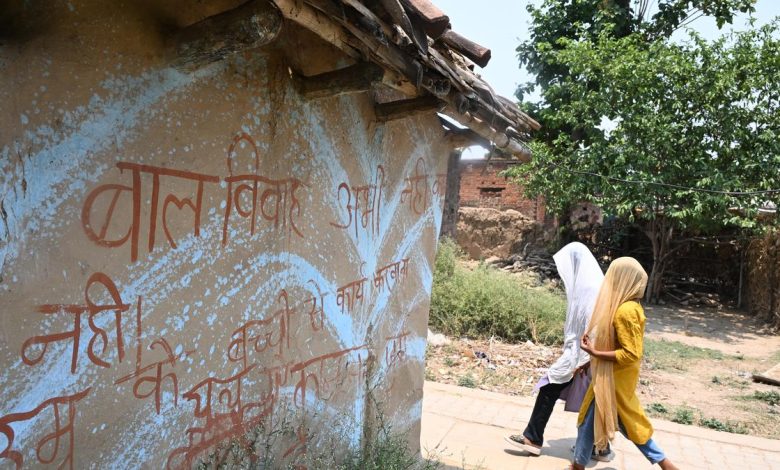
Chandauli, Uttar Pradesh – In the heart of Uttar Pradesh, one of India’s states with the highest number of child brides, a quiet revolution is underway. Teenage girls across five villages in Chandauli district are actively resisting child marriage, with crucial support from determined frontline government workers. These women, many of whom have experienced the hardships of early marriage themselves, are spearheading a movement to protect the next generation.
Child marriage has long been entrenched in parts of Uttar Pradesh, driven by a combination of poverty, social norms, and low education levels. However, this tradition is facing unprecedented challenges as young girls, empowered by awareness and encouragement from government officials, are saying no to early marriage.
Ashna Butani, reporting on the ground, met several of these women leaders who have taken upon themselves the responsibility of changing societal mindsets. They offer counsel, support, and legal assistance to girls who stand at the crossroads of education and forced matrimony.
One such government worker expressed, “We are committed to ensuring that no girl undergoes what we endured. Our goal is to break the vicious cycle of child marriage. These girls must have a chance to complete their education and live their lives on their own terms.”
The resistance is not without challenges. Families often face economic pressures and social backlash for breaking traditions. Yet, the courage of these girls and the sustained activism by government workers have led to a noticeable decline in child marriage cases within these villages.
Local authorities have also launched awareness campaigns aimed at educating communities about the legal age of marriage and the health and educational dangers linked to early marriage. These initiatives are complemented by incentives for families who keep their daughters in school.
Experts stress the importance of such grassroots movements, noting that government policies alone cannot eradicate child marriage without community participation and sustained social change. The case of Chandauli’s five villages provides a hopeful example of how change is possible when those affected become advocates for their own futures.
This evolving story from Uttar Pradesh highlights the strength and resilience of teenage girls who, with support, are choosing their own destinies. It also underscores the critical role of compassionate and proactive government workers in dismantling harmful traditions.