

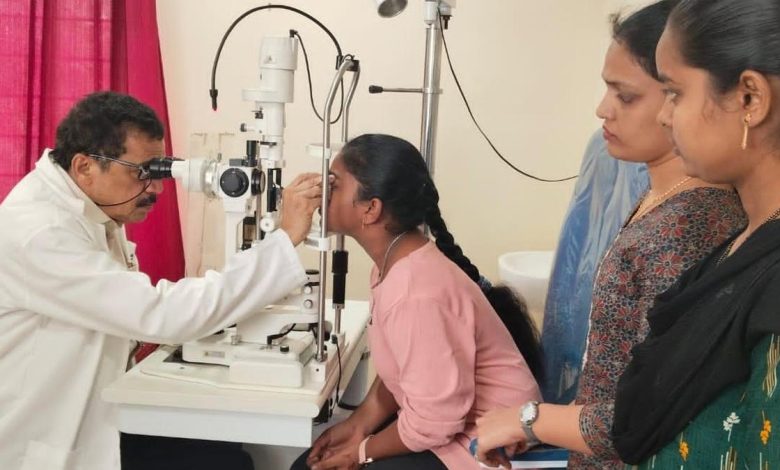
In recent years, the rise in childhood myopia has become a significant public health concern worldwide. Experts are increasingly linking this growing trend to the drastic changes in children’s lifestyles, particularly the reduced time spent outdoors and increased screen exposure.

Children today spend far less time in natural daylight, as modern education systems and extracurricular demands keep them indoors for extended periods. Most time outside daylight hours is occupied by schoolwork, tuition classes, or recreational screen time on smartphones, tablets, and computers. This shift has led to a surge in cases of myopia, or nearsightedness, especially among genetically predisposed children.
Scientific studies have underscored the role of outdoor light exposure in regulating eye growth during childhood. Natural light stimulates dopamine release in the retina, which helps control the elongation of the eyeball—a primary factor in myopia development. Depriving children of this natural stimulus hampers normal eye development, increasing the risk of becoming short-sighted.
Healthcare professionals warn that this increase in myopia is not just a minor vision inconvenience but a condition with serious long-term consequences. High myopia can lead to complications such as retinal detachment, glaucoma, and cataracts later in life, significantly raising the risk of vision impairment or loss.
Governments and health organizations are now emphasizing the importance of encouraging outdoor activities for children. Schools are being urged to incorporate more outdoor time during the day, and parents are advised to limit screen time and promote activities that involve natural light exposure. Some regions have also launched awareness campaigns and eye screening programs targeting young children to detect early signs of myopia.
As childhood environments continue to evolve with increasing urbanization and digitalization, addressing the myopia epidemic requires coordinated efforts from educators, parents, healthcare providers, and policymakers. By prioritizing children’s eye health today, society can help preserve their vision and overall quality of life for the future.