

WHO declares Ebola epidemic in Congo and Uganda a global public health emergency
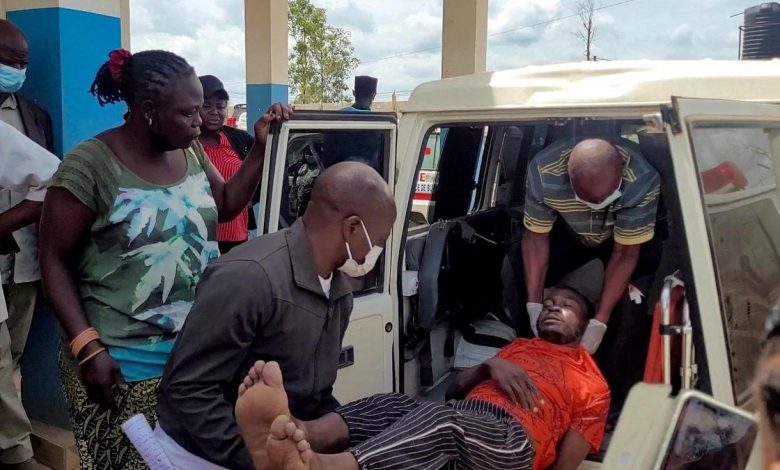
As of Saturday, May 16, 2026, health authorities in the Democratic Republic of Congo (DRC) have reported a total of 246 suspected Ebola cases in the Ituri province. This surge in cases spans across at least three health zones, including Bunia, Rwampara, and Mongbwalu, raising serious concerns about the containment of the virus in the region.

The World Health Organization (WHO) has closely monitored the situation, noting the increased number of infections and the potential risk to public health both locally and internationally. The DRC has battled multiple outbreaks of Ebola over the years, but this latest surge highlights the ongoing challenges faced by health officials in controlling the spread.
Local health authorities have ramped up their response efforts, deploying additional medical teams and resources to affected areas to facilitate early detection and isolation of suspected cases. Community education campaigns are also underway to raise awareness about transmission methods and prevention measures.
Despite these measures, the dense population and mobility within and between the affected health zones have made containment difficult. The Ituri province, with its complex terrain and infrastructure challenges, complicates rapid response efforts. Health workers continue to face risks while tracing contacts and administering vaccines.
International support has been requested to bolster the DRC’s capacity to manage the outbreak. WHO and partner organizations are supplying medical equipment, personal protective gear, and vaccines to the front lines. The global health community remains vigilant as new cases are investigated and reported.
The urgency for swift action cannot be overstated, as Ebola’s high fatality rate and potential to spread rapidly pose a grave threat. Authorities urge residents in affected and neighboring zones to remain vigilant and adhere strictly to health advisories. Surveillance and cooperation between governments, health agencies, and local communities are crucial to halting transmission.
This outbreak serves as a stark reminder of the ongoing vulnerability to deadly infectious diseases in regions with limited healthcare infrastructure. Continued investment in health system strengthening and outbreak preparedness remains imperative to safeguard public health.