

New Delhi
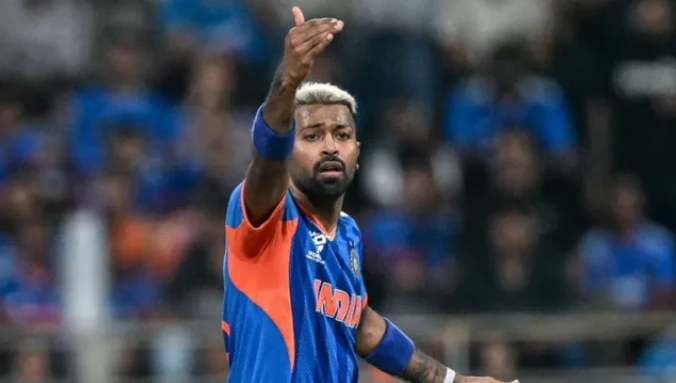
Indian cricket team star all-rounder Hardik Pandya has suffered another setback in his return to competitive cricket. A new injury to his right shin is expected to keep him out of competitive cricket for at least three weeks, making his participation in India’s upcoming tour of New Zealand unlikely.
The injury comes at a time when Pandya was preparing to return to competitive cricket after a prolonged absence. His return-to-play target had been set for September 20. As part of his comeback plan, he was also included in the India A squad for the ODI series against Australia A, beginning October 6. However, the latest injury has disrupted those plans once again.
Advised Two Weeks of Complete Rest
According to a PTI report, a source associated with the BCCI Centre of Excellence said that Pandya’s latest scans revealed an injury to his right shin. He has currently been advised to take two weeks of complete rest. After that period, the BCCI medical team will assess his condition and decide when to begin rehabilitation.
The report also stated that Dr. Dinshaw Pardiwala, head of the medical panel, has reviewed Pandya’s medical reports.
Also Set to Miss Australia A Series
The new injury is expected to rule Pandya out of the upcoming ODI series against Australia A. The series is scheduled to begin on October 6, and Pandya had been selected for the India A squad. His participation now appears highly unlikely.
New Zealand Tour Comeback Looks Difficult
India’s tour of New Zealand is scheduled to begin with a T20I series on October 22, followed by ODI matches. Considering the current injury and an estimated recovery period of at least three weeks, Pandya is unlikely to be fully fit in time for the tour.
Pandya has faced repeated fitness issues in recent months. According to the report, he has encountered different fitness setbacks ahead of the Afghanistan ODI series, England T20 series and now the Australia A series over the past four months. These recurring problems have repeatedly delayed his return to competitive cricket.
Domestic Cricket Could Provide a Route Back
With the New Zealand series now likely to be out of reach, Pandya could focus on the competitions that follow. If he recovers on schedule, the upcoming ODI series against Zimbabwe could provide a potential opportunity for his return.
Before that, he could also use domestic competitions such as the Vijay Hazare Trophy or Syed Mushtaq Ali Trophy to assess his match fitness.
For Pandya, the immediate priority will be to regain full fitness before returning to the field. Given his recent injury history, the team management is likely to avoid rushing his comeback and instead proceed according to the recommendations of the medical team.