
India’s First Hydrogen Train Begins a New Era for Railways, Transforming Travel with Indigenous Technology and Clean Energy
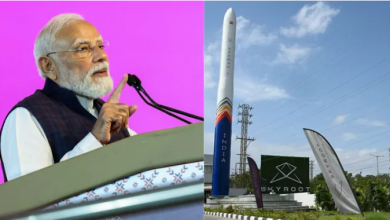
Prime Minister Narendra Modi flags off India’s first hydrogen-powered train on the Jind-Sonipat route in Haryana, marking a major milestone in Indian Railways’ journey towards cleaner and sustainable transportation.
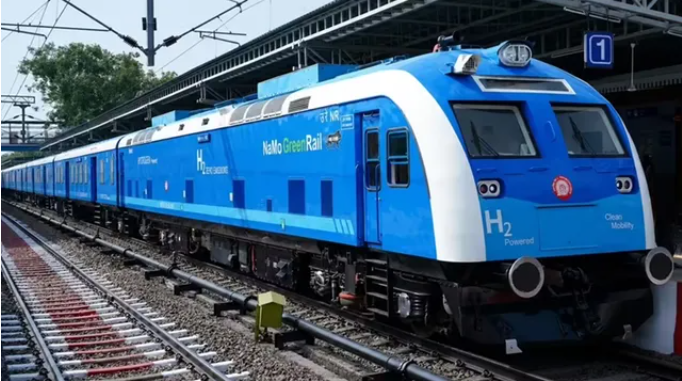
India’s first hydrogen-powered train has been flagged off on the Jind-Sonipat route in Haryana, marking a major step towards clean and sustainable rail transport.

India’s First Hydrogen Train Begins a New Era for Railways, Transforming Travel with Indigenous Technology and Clean Energy
Jind, Haryana: India has entered a new era of clean rail transportation with the launch of its first hydrogen fuel cell-powered train. Prime Minister Narendra Modi flagged off the train connecting Jind and Sonipat in Haryana on July 17, 2026, marking a significant milestone in the country’s efforts to introduce cleaner and more sustainable technologies into its railway network.
The hydrogen train has been developed as part of Indian Railways’ push towards green mobility. With the introduction of hydrogen fuel cell technology for railway operations, India has joined a select group of countries adopting hydrogen-powered trains.
How Does India’s Hydrogen Train Work?
Unlike conventional electric trains that depend on overhead power lines, the hydrogen train generates electricity onboard. Hydrogen and oxygen undergo an electrochemical reaction inside the fuel cell system to produce electricity, while water vapour is the primary by-product at the point of use. This makes hydrogen fuel cell technology a cleaner alternative for rail operations, particularly when the hydrogen itself is produced using low-carbon or renewable energy sources.
Train to Operate on Jind-Sonipat Route
The hydrogen train is designed to operate on the Jind-Sonipat section of Northern Railway in Haryana. According to an earlier Ministry of Railways announcement, the approved 10-car trainset uses a 1,200 kW hydrogen fuel cell propulsion system and has a maximum operational speed of 75 kmph.
The Jind-Sonipat route covers approximately 89 km, and the introduction of the train will provide Indian Railways with valuable operational experience in using hydrogen fuel cell technology in regular railway services.
A Major Push for Green Mobility
The launch is significant for Indian Railways as it explores alternatives to conventional fossil-fuel-based transportation. Hydrogen fuel cells can generate electricity without the direct carbon emissions associated with diesel combustion, potentially helping reduce the environmental impact of railway operations.
The environmental benefits, however, depend partly on how the hydrogen fuel is produced. Hydrogen generated using renewable energy can provide greater overall emissions reductions compared with hydrogen produced from fossil fuels.
Indigenous Technology Takes Centre Stage
The project also highlights India’s growing capabilities in developing advanced railway technology domestically. Indian Railways has described the hydrogen train as an indigenous initiative that demonstrates the potential use of hydrogen technology across the country’s railway network.
The pilot operation is expected to provide important insights into the performance, maintenance, safety and infrastructure requirements of hydrogen-powered trains under Indian operating conditions.
What India’s Hydrogen Train Means for the Future
India’s first hydrogen train is more than the introduction of a new train service. It represents an important technological experiment that could influence how Indian Railways approaches clean transportation in the future.
If the technology proves operationally reliable and economically viable, hydrogen-powered trains could potentially play a role on selected routes where complete electrification or other conventional solutions are less practical.
With the launch of the Jind-Sonipat hydrogen train, India has taken an important step towards exploring the next generation of sustainable railway transportation. The project combines indigenous technological development with the broader goal of reducing dependence on fossil fuels and expanding the use of cleaner energy across the transport sector.
For official government information, readers can visit the Press Information Bureau announcement on India’s hydrogen train.