

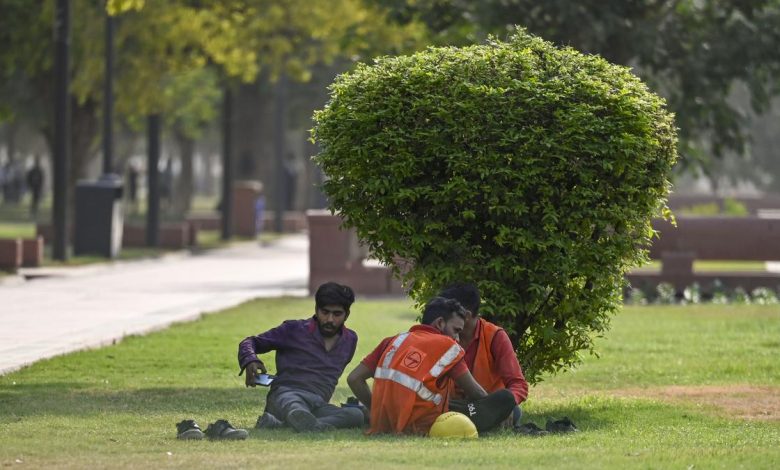
As temperatures continue to soar across India, an unsettling pattern of inequality is emerging in the country’s urban landscapes. Rising heatwaves coupled with the diminishing availability of public shaded spaces are creating a stark divide between affluent neighborhoods and the wider population. While wealthier enclaves enjoy well-maintained parks, tree-lined streets, and shaded pedestrian areas, countless others find themselves exposed to the relentless sun, with little to no reprieve.


Urban planners and climate experts warn that this disparity is more than just an inconvenience; it reflects deeper structural inequities in city development and environmental justice. In many metropolitan areas, public spaces have dwindled due to rapid construction and lack of investment in greenery, disproportionately affecting low-income communities who rely on these areas for daily respite and recreation.
“The concentration of shade in affluent neighborhoods is a form of environmental privilege,” says Dr. Anjali Mehta, an urban ecologist based in Delhi. “Trees and parks not only offer relief from heat but also improve air quality and mental well-being. Their absence in poorer areas exacerbates health risks and social disparities.”
Research indicates that shaded urban environments can reduce temperatures by up to 10 degrees Celsius, providing critical protection during heatwaves that have become increasingly frequent and severe due to climate change. Yet, without equitable access to such climate mediation, vulnerable populations face higher risks of heatstroke and related illnesses.
City governments across India are being urged to prioritize inclusive urban greening initiatives. Experts suggest integrating more trees, shaded walkways, and accessible public parks in underprivileged districts to address the imbalance. However, budget constraints, competing development priorities, and bureaucratic challenges often hamper such efforts.
Citizens and grassroots organizations are stepping in to fill some gaps. Community-driven tree planting and localized cooling projects have gained traction in cities like Mumbai and Bengaluru, showcasing the potential for collective action to mitigate heat stress. Nonetheless, experts stress that systemic change is essential to ensure lasting equity.
In the face of escalating temperatures, India’s cities must rethink urban design principles to prioritize equitable access to climate relief. Without decisive measures, the widening gap in shaded public spaces risks perpetuating cycles of environmental injustice, leaving millions vulnerable to the harsh realities of a warming world.