
Tamil Nadu Assembly Speaker J.C.D. Prabhakar’s Decision Recalls 2017-18 AIADMK MLAs Experience
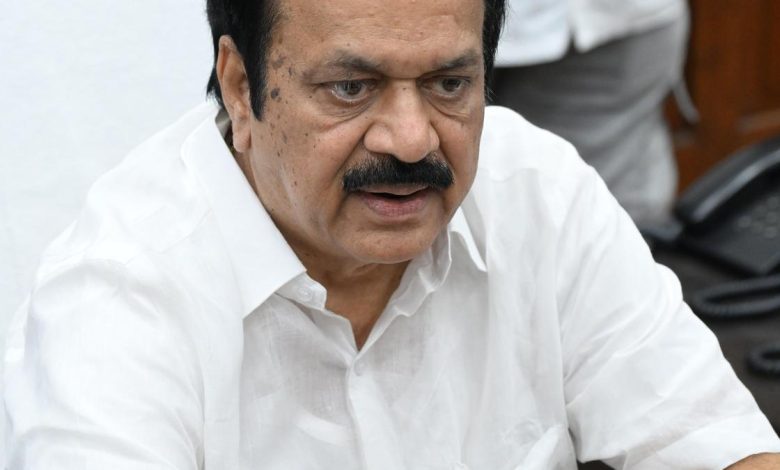
Tamil Nadu Assembly Speaker J.C.D. Prabhakar’s Recent Decision Echoes Past AIADMK MLA Disqualification Saga


Tamil Nadu, India – The recent decision by Tamil Nadu Assembly Speaker J.C.D. Prabhakar to revisit disqualification proceedings against certain MLAs has brought to light a significant political precedent from 2017-18 involving 11 AIADMK MLAs. This move has stirred discussions across political circles and legal forums, recalling the erstwhile controversy that had captured the state’s legislative attention.
Back in 2017, 11 AIADMK MLAs faced the threat of disqualification, a step that could have reshaped the legislative landscape of Tamil Nadu. However, the then Assembly Speaker, P. Dhanapal, chose not to pursue disqualification proceedings against these legislators. This decision effectively spared the MLAs from formal action and was seen as a critical moment in maintaining political stability within the assembly.
The situation escalated to judicial scrutiny when a plea was filed in the Madras High Court seeking action against the legislators. The High Court, upon review, dismissed the plea, thereby upholding the Speaker’s discretion and the decision not to proceed against the MLAs. The dismissal reinforced the legal standing of the Speaker’s role in such matters and set a benchmark for future cases involving disqualification under similar circumstances.
Speaker J.C.D. Prabhakar’s recent actions have drawn comparisons to the 2017 case, suggesting a possible pattern or revival of precedent in the political-legal interface concerning MLA disqualifications in Tamil Nadu. Analysts suggest that this could reflect the Speaker’s intent to assert authority in legislative discipline while navigating political complexities within the state assembly.
Political commentators emphasize that the Speaker’s discretion plays a pivotal role in the administration of legislative affairs. The balance between enforcing party discipline and ensuring fair legal treatment continues to challenge the democratic process in the assembly.
As the state witnesses this revisiting of past procedural experiences, questions remain about the impact on the ruling party’s stability and the broader implications for democratic governance in Tamil Nadu. The developments are being closely watched by political stakeholders, legal experts, and the public alike, as they may set important precedents for future legislative conduct and dispute resolution mechanisms.
The evolving scenario underscores the delicate interplay between law and politics in Indian legislative bodies and highlights the importance of judicial oversight in upholding constitutional provisions related to elected representatives.