

Relief to exporters from Hormuz Strait repair, but uncertainty remains regarding the agreement
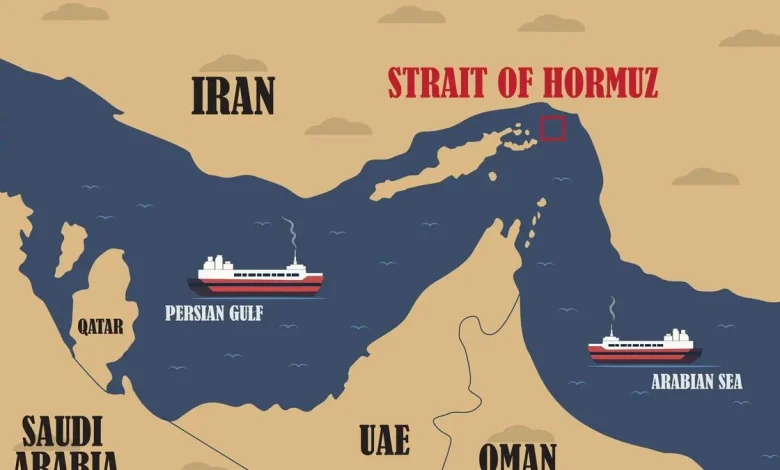
The reopening of the Strait of Hormuz has brought a significant sigh of relief to exporters worldwide. With traffic resuming through this critical maritime passage, there is growing optimism that freight and insurance costs will soon moderate, shipping schedules will normalize, and overall business confidence will see an improvement.

The Strait of Hormuz is one of the world’s most important chokepoints for global trade, especially for oil shipments. Any disruption in this region has historically led to increased shipping costs and delays, significantly impacting international markets and trade flows.
Exporters have been particularly affected by the recent closures and restrictions, facing elevated freight charges along with uncertain delivery timelines. However, the recent resumption of traffic signals the potential easing of these pressures. Freight forwarders and insurers are likely to adjust their pricing to reflect lowered risks, which could translate to reduced costs for exporters.
Shipping companies are also expected to benefit as they can resume normal operations without the need for detours or heightened security measures. Regular shipping schedules mean improved reliability for supply chains, which is crucial for businesses relying on timely deliveries. Such predictability enhances business confidence, enabling exporters to plan and operate with greater certainty.
Industry experts caution, however, that while the immediate outlook is positive, geopolitical uncertainties surrounding the deal that led to the reopening of the Strait persist. Stakeholders continue to monitor developments closely, as further diplomatic shifts could impact the stability of this key trade route.
In summary, the reopening of the Strait of Hormuz is a welcome development for exporters and the global trade community at large. It promises lower operational costs and smoother logistics, essential elements for driving growth and economic stability. Nevertheless, vigilance remains important until the political landscape ensures sustained peace and security in the region.