

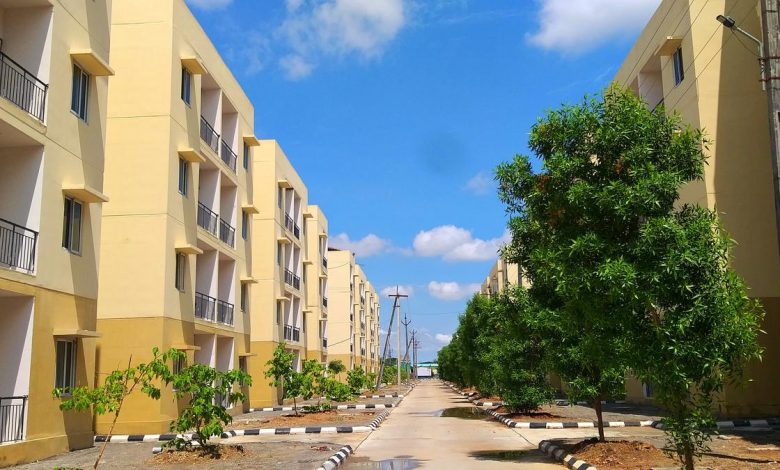
Mid-segment housing is rapidly becoming the preferred choice for homebuyers seeking an optimal balance between affordability and quality ownership.

In recent years, the Indian real estate market has witnessed a significant shift in demand, with mid-segment housing emerging as a key driver of growth. This segment caters to a wide spectrum of buyers, especially young professionals and middle-income families, who desire modern amenities at reasonable prices. Unlike luxury properties or budget housing, mid-segment homes offer an attractive combination of location, design, and cost, making them a compelling option for long-term investment as well as comfortable living.
Experts attribute this rise in preference to several factors. Firstly, the government’s initiatives like the Pradhan Mantri Awas Yojana (PMAY) and affordable housing schemes have boosted overall demand and encouraged developers to focus on mid-tier projects. Additionally, the steady rise of India’s urban middle class, coupled with increasing disposable incomes, has enabled more individuals to purchase homes that align with their lifestyle aspirations.
Market analysts highlight that mid-segment housing projects typically fall in the price range of INR 40 lakh to INR 1 crore, striking a healthy balance between cost and quality. Cities such as Pune, Hyderabad, Bangalore, and Chennai have seen considerable growth in mid-segment housing demand, in part due to their expanding IT and service sector economies. This growth sustains employment opportunities, which in turn fuels the housing market.
Moreover, the financing options available for mid-segment buyers have become more accessible, with competitive home loan rates and flexible repayment terms offered by banks and financial institutions. This financial ease further encourages investment in mid-segment properties. Unlike luxury segments, the risk of oversupply is lower here, given the broader demand base, which bodes well for buyers looking for appreciation in property value.
The appeal of mid-segment housing also lies in its ability to provide a community-centric lifestyle with amenities such as parks, security, and recreational spaces, which are often overlooked in budget housing. Developers are increasingly incorporating smart home features and eco-friendly designs into these projects, aligning with the changing preferences of modern buyers.
Nevertheless, challenges remain, including regulatory hurdles and infrastructural bottlenecks in some urban areas. However, industry stakeholders are optimistic that ongoing policy reforms and improved urban planning will continue to bolster confidence in the mid-segment housing market.
In conclusion, mid-segment housing is steadily emerging as a new wealth engine for India. It not only fulfills the housing needs of a growing middle class but also presents lucrative investment opportunities. As the sector evolves, it promises to play a pivotal role in shaping India’s real estate landscape in the coming years.