

Memories, Medium, or Message? Art as a Reflection of a Changing World
The Role of Art Institutions in a Shifting Socio-Political Landscape
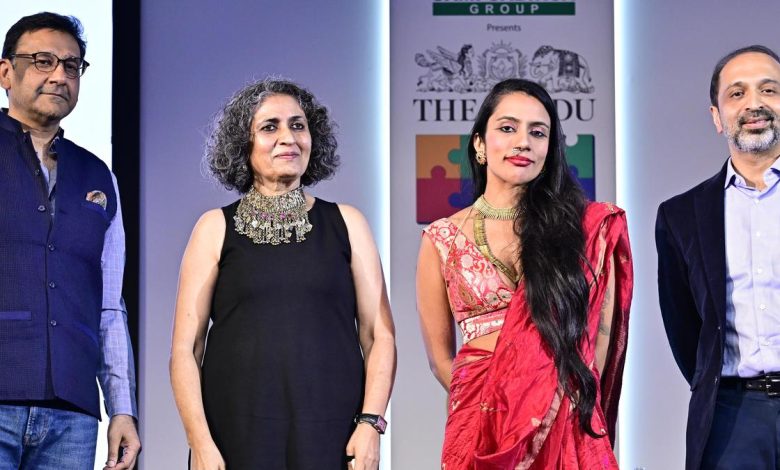
In recent discussions within the art community, experts have emphasized the critical role art institutions play in responding to the rapidly evolving socio-political environment. As societies undergo profound transformations, art has emerged not just as a medium of expression but as a powerful tool capable of shaping collective opinion and influencing public discourse.


Art institutions are increasingly seen as more than just custodians of culture; they are active participants in social change. Through curated exhibitions, public programs, and community engagement, museums and galleries are now tasked with addressing complex issues including identity, inequality, and justice. This shift challenges institutions to balance artistic freedom with social responsibility, prompting debates on how art can effectively reflect and respond to contemporary realities.
One of the vital discussions highlighted how art must adapt to the shifting socio-political landscape without losing its capacity to inspire and provoke critical thinking. Artists and curators alike recognize that their work can transcend aesthetics, functioning instead as a catalyst for dialogue and understanding across diverse communities.
Moreover, the power of art to shape collective opinion cannot be underestimated. When art resonates with the lived experiences of people, it fosters empathy and raises awareness about pressing societal issues. Art’s unique ability to communicate complex emotions and ideas helps bridge divides and cultivate a shared sense of humanity amidst political polarization.
Experts argue that this evolving role places a responsibility on art institutions to remain inclusive and accessible while pushing boundaries to challenge dominant narratives. By doing so, art can continue to serve as both a mirror reflecting a world in flux and as a medium for envisioning new possibilities.
As the conversations around art’s societal function grow, the future points toward a more engaged and socially conscious art world. This transformation offers hope that art will remain a vital force in shaping not only cultural identity but also the collective futures of communities worldwide.