
Iran Guards claim: They targeted US Fifth Fleet bases in Bahrain, warned about energy routes
IRGC says it struck U.S. Fifth Fleet facilities in Bahrain and warns that any disruption to Gulf energy exports could trigger wider regional and global consequences.
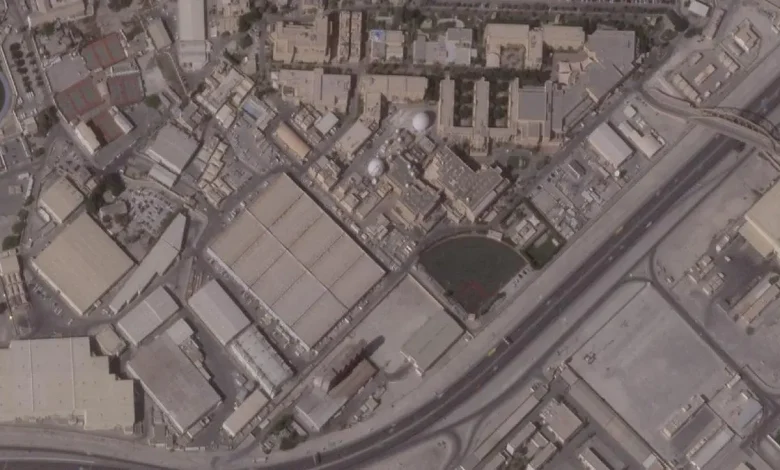
In a significant escalation of tensions in the Gulf region, Iran’s Guards have announced that they targeted US Fifth Fleet facilities in Bahrain. This statement comes amid rising concerns over maritime security and energy export routes crucial to global markets. The Guards warned that if Washington attempts to block the region’s vital oil and gas exports by controlling key maritime routes, alternative export pathways serving US and allied interests could also be compromised.

Iran has long expressed its displeasure over the presence of the US Fifth Fleet in the Gulf, viewing it as a threat to its sovereignty and regional influence. The Gulf remains a strategic artery for global energy supplies, with a significant percentage of the world’s oil and gas transiting through its waters. Any disruption here could have broad implications for energy markets, affecting prices and supply stability worldwide.
The Guards’ warning underscores the delicate balance of power in the region. It implies that Iran is prepared to escalate its defensive measures if it perceives aggressive moves aimed at choking off its energy exports. By signaling potential countermeasures against US and allied export routes, the Guards emphasize that conflict over maritime control could extend beyond direct engagements and affect broader trade networks.
Analysts note that while Iran’s rhetoric is strong, the situation remains volatile and fluid. The international community has called for restraint and dialogue to prevent any military confrontations that could jeopardize regional and global economic stability. The US Fifth Fleet plays a critical role in ensuring the security of maritime traffic in the Arabian Gulf, but its presence is simultaneously a point of friction with Iran.
Experts warn that any blockade or interference with maritime routes could trigger severe consequences, including retaliatory actions that might escalate into wider conflict. Meanwhile, energy markets are closely monitoring developments, understanding the potential risks to supply chains and the knock-on effects for global economies.
In conclusion, the recent warning from Iran’s Guards highlights ongoing geopolitical tensions surrounding the Gulf’s energy corridors. The situation remains tense, with all parties urged to pursue diplomatic avenues to avoid disruptions. Maintaining stability in this critical region is paramount for global energy security and international peace.