
Experts Warn Indian Investors May Shift to Safer Assets Amid Market Challenges
Experts advise Indian investors to consider safer investment options as capital outflows, market volatility, and structural economic challenges continue to impact investor confidence.
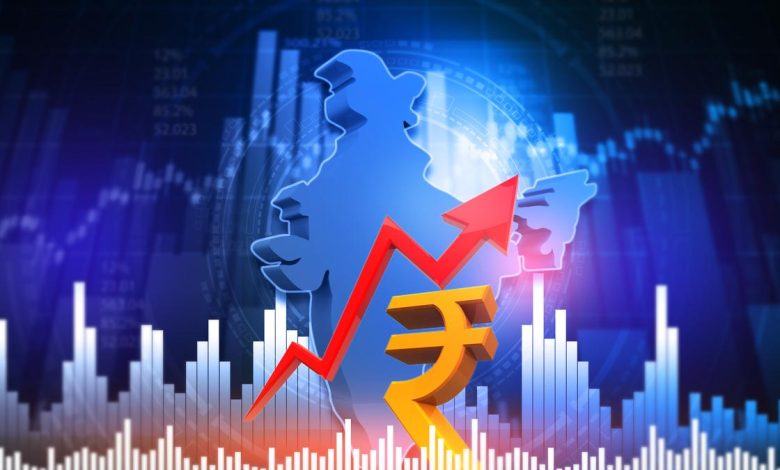
Experts warn Indian investors may move to safer assets amid capital outflows, market volatility, and economic challenges. Read the latest market analysis on DW24 News.


Indian investors may increasingly shift toward safer investment assets as market experts warn of rising capital outflows, economic uncertainty, and structural challenges affecting India’s financial markets. With foreign institutional investors (FIIs) reducing exposure and market volatility remaining high, experts suggest considering stable investment options such as government bonds, fixed deposits, and gold to preserve wealth and manage risk.
Market analysts attribute this sell-off to a mismatch between corporate earnings and stock prices. Despite robust market performance in earlier years, the earnings of many companies have failed to justify their elevated valuations. Additionally, returns earned by foreign investors, when converted to dollars, have remained in the low single digits, reducing their incentive to maintain heavy exposure to Indian equities.
Structural issues in the Indian economy, including regulatory hurdles, inflationary pressures, and geopolitical uncertainties, are further complicating investor sentiment. These challenges have prompted experts to suggest that domestic investors may increasingly seek safer investment avenues to protect capital and secure more predictable returns.
Financial experts highlight that, amid these dynamics, there could be a shift from high-risk equity assets to more stable instruments such as government bonds, fixed deposits, or gold. The move toward safer bets reflects a growing preference for risk mitigation in the face of volatile market conditions and unclear earnings trajectories.
While the Indian market continues to offer promising long-term opportunities given the country’s demographic advantages and economic growth potential, the near-to-medium-term outlook remains cautious. Advisors urge investors to stay well-informed about global and domestic economic indicators and consider portfolio diversification to navigate uncertainties.
Policymakers have been responding with measures to improve market stability and enhance investor confidence. Steps such as easing regulatory bottlenecks, improving corporate governance, and incentivizing long-term investment could play a role in stemming capital outflows.
In summary, the recent capital flight highlights underlying structural challenges in the Indian economy, prompting investors to reassess their risk appetite. As market participants recalibrate strategies, a balance between cautious asset allocation and confidence in India’s growth story will be essential.
Experts continue to monitor the evolving situation closely, emphasizing the need for prudent investment decisions amid these complex market dynamics.