

Hyderabad Paediatrician Sivaranjani Santosh Alleges Pharma Influence Following IAP Exit, Calls for Probe into ORSL Promotion
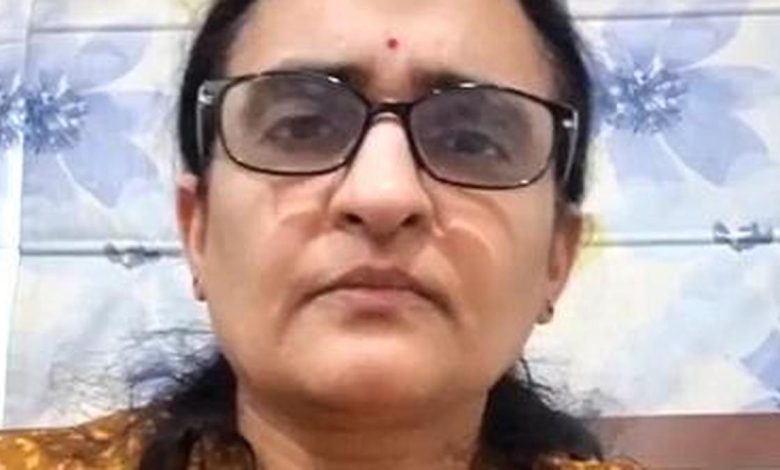
Hyderabad: In a recent development that has sparked conversations within the medical community, Dr. Sivaranjani Santosh, a respected paediatrician from Hyderabad, has publicly accused the influence of pharmaceutical companies within the Indian Academy of Pediatrics (IAP). Following her exit from the organisation, she has called for a thorough investigation into the promotion of ORSL (Oral Rehydration Salt Liquid) by the academy.

Dr. Santosh took to social media platform X to express her concerns, stating that the acceptance of her resignation has liberated her from any obligation to hold back criticism towards the leadership of the IAP. Her statement has drawn attention to potential conflicts of interest that might exist between the academy and certain pharmaceutical stakeholders.
“Having resigned, I now feel free to speak openly about the undue influence that pharma houses exercise over the IAP’s decision-making process,” she said in her post. The paediatrician emphasized that such influence could compromise the integrity of medical guidelines and recommendations promulgated by the academy, particularly the endorsement of ORSL products.
ORSL has long been a frontline treatment for dehydration caused by diarrhoeal diseases, especially among children. Its promotion by a leading body like IAP significantly impacts both clinical practices and public health interventions. However, Dr. Santosh’s allegations suggest that marketing strategies of pharmaceutical companies may have seeped into scientific advocacy, undermining unbiased medical advice.
Her departure from the IAP itself reportedly stemmed from disagreements regarding these issues. Though the academy has yet to officially respond to the claims, members and observers have called for clarity and transparency. Several experts believe that an independent probe could ensure that paediatric care recommendations remain free from commercial bias.
In light of Dr. Santosh’s revelations, stakeholders in the medical community are closely monitoring the situation. The debate raises broader questions about the relationship between healthcare professional bodies and industry players, emphasizing the need for strict ethical guidelines to preserve trust and safeguard patient interests.
As the story unfolds, the focus remains on supporting evidence-based paediatric care while addressing any undue commercial pressures. With the credibility of organisations like the IAP at stake, the calls for an impartial investigation into ORSL promotion reflect a growing demand for accountability and transparency in healthcare governance.