
Commercial Spaces Need Rewiring to Meet Modern Tenant Priorities and Future Workplace Demands
Commercial real estate is evolving with flexible layouts, smart technology, and sustainable designs to meet changing tenant expectations.
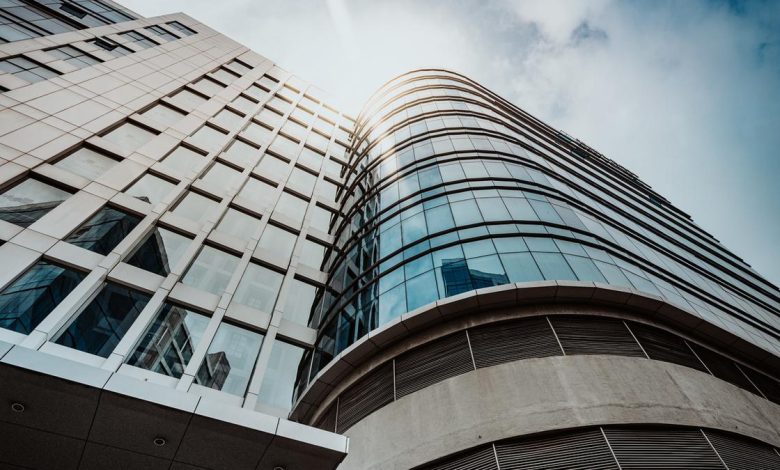
Commercial buildings are adapting to modern tenant needs with flexible workspaces, smart technology, and sustainable designs that improve efficiency and long-term value.

In today’s rapidly evolving real estate market, commercial buildings are increasingly expected to adapt to the changing needs of their tenants. Industry experts highlight a growing preference for efficient and adaptable building designs over flashy, short-lived structures. This shift is reshaping the priorities of property owners, developers, and tenants alike.
Modern tenants increasingly demand spaces that can easily adjust to varying business requirements. Flexibility in layout, technology infrastructure, and energy efficiency are emerging as vital components in commercial real estate decisions. Buildings that offer these features tend to attract long-term leases, providing more stability for landlords and better value for tenants.
John Matthews, a leading commercial real estate analyst, explains, “The market is moving away from extravagant designs with flashy facades and toward practical, sustainable spaces that meet the future needs of tenants. Efficient buildings not only reduce operating costs but also enhance workplace productivity and comfort.”
Additionally, advances in technology have transformed how commercial spaces are used. With the rise of remote work and hybrid office models, properties must cater to flexible scheduling and varying occupancy levels. Rewiring and upgrading existing infrastructure have become essential to support high-speed connectivity, smart building systems, and energy management solutions.
Energy efficiency has also become a cornerstone of tenant expectations. Environmentally conscious businesses are seeking office spaces that minimize their carbon footprint. Buildings equipped with modern HVAC systems, renewable energy sources, and sustainable materials are increasingly favored in lease negotiations.
Market data supports these trends. Recent studies show that tenants prioritize adaptable spaces that help them scale operations or shift workflows without incurring significant costs. In contrast, flashy buildings often struggle to maintain occupancy over time due to their inflexibility and higher maintenance expenses.
Commercial real estate owners are responding by investing in retrofitting existing structures and incorporating adaptable designs in new projects. This approach not only aligns with tenant priorities but also enhances property value and market competitiveness. Experts conclude that the future of commercial real estate lies in buildings that balance functionality, efficiency, and tenant-centric innovation.