

Bahrain Sounds Missile Alert Sirens Again Amid Rising Iran-US Tensions
Bahrain activated missile warning sirens for the second time as regional tensions intensified following developments involving Iran and the United States, prompting authorities to urge residents to remain alert.
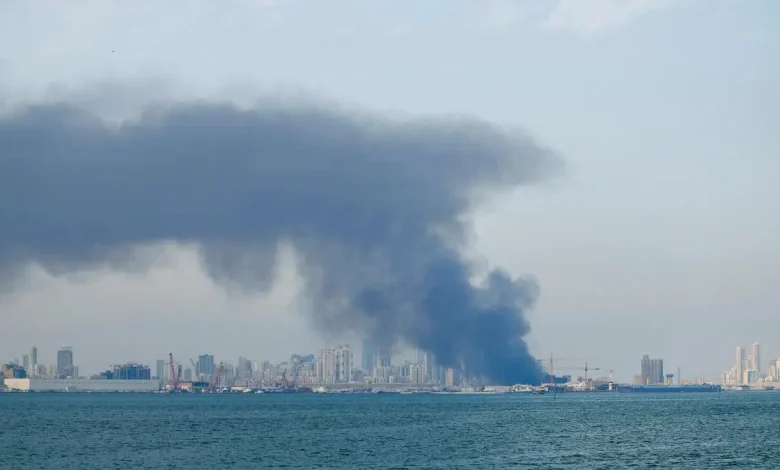
Bahrain sounded missile alert sirens for the second time amid escalating Iran-US tensions. Read the latest updates, regional developments, and the impact on Gulf security.

Bahrain, a strategic island kingdom in the Persian Gulf and home to the US Navy’s 5th Fleet, sounded missile alert sirens for the second time amid rising regional tensions. The warning urged residents and visitors to seek immediate shelter as a precaution against possible missile threats, following retaliatory actions by Iran in response to recent US airstrikes.
The sudden activation of defense protocols marks an escalation in the ongoing conflict between the United States and Iran, which has been intensifying over the past weeks. Officials in Bahrain emphasized that the alert system aims to ensure public safety and preparedness in the event of missile attacks or other security threats.
The US Navy’s 5th Fleet, headquartered in Bahrain, plays a critical role in maritime security across the Gulf, and its presence adds to the strategic importance of the island. The tension rose sharply after US airstrikes targeted Iranian-backed militia groups, leading to swift retaliation from Tehran.
Sources indicated that the missile alert sirens were activated following intelligence reports suggesting a credible threat to the island’s security. Local authorities collaborated closely with military officials to coordinate the warning and advised civilians to stay indoors until further notice.
While the situation remains fluid, both Bahraini and US officials have stressed the significance of vigilance and readiness while striving to avoid any further escalation. The broader geopolitical implications of this tit-for-tat military exchange underscore the fragile state of peace in the region.
Experts observe that Bahrain’s proactive alert system is a critical component in safeguarding the island against missile threats and offers a vital early warning to mitigate risks to human life and infrastructure.
As tensions continue to simmer, regional stakeholders and international observers alike await diplomatic engagements that might de-escalate the conflict. Meanwhile, the families living and working in Bahrain remain on high alert, hoping for a resolution that prevents further violence.
In summary, the missile alert in Bahrain signals a pivotal moment in Middle Eastern security dynamics, underscoring the volatile nature of US-Iran relations and the imperative for measured responses to avoid unintended consequences.