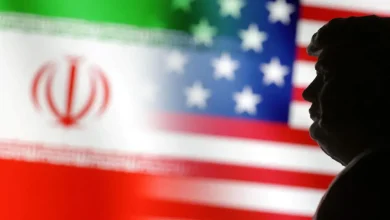

America carried out air strikes after accusing Iran of helicopter crash, fear of retaliation
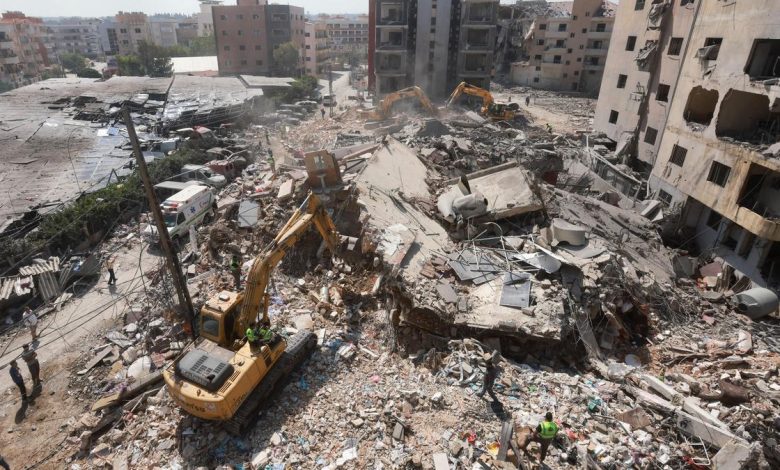
Reports point to a sharp escalation in the Gulf, with claims of fresh strikes and retaliatory attacks affecting the wider region. Because such security developments move quickly and are often contested, the summary below is based on the reports available and should be treated as a developing situation that may change.


What is being reported
According to the accounts, a cycle of strikes and counter-strikes has intensified tensions in the Gulf, with reported targeting of infrastructure and warnings of further retaliation. Security observers caution that exchanges like these risk undermining diplomatic efforts that had reportedly shown some promise toward de-escalation and humanitarian access.
Why the Gulf is so volatile
The Gulf region sits at the intersection of major energy routes, long-standing rivalries and external military involvement. That combination means localised incidents can escalate quickly and draw in multiple actors — which is why each reported strike raises concern about a wider conflict.
The risk to diplomacy
Fragile negotiations depend on a measure of calm. Renewed violence can derail talks oriented toward ceasefires and aid access, hardening positions on all sides. The central question observers ask is whether escalation gives way to containment.
Why it matters
Instability in the Gulf has consequences far beyond the region — for global energy markets, civilian safety and international security. That is why developments here are followed worldwide.
Frequently Asked Questions
Why is this region a global concern?
Because it is central to world energy supply and a recurring flashpoint involving multiple powers.
How reliable are early reports?
Early accounts of conflict are often incomplete or contested; details may be revised as more information emerges.
Based on available reports; this is a developing story and details may be updated.