
‘Courts Are Not Entertainment Channels’: Supreme Court Imposes Interim Ban on Sharing Hearing Video Clips Without Permission
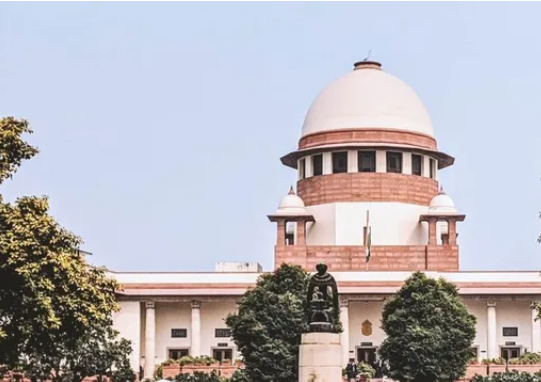
New Delhi, India

The Supreme Court of India has taken a firm stand against the unauthorized sharing of court hearing video clips on social media and other digital platforms by issuing a significant interim order. The apex court has ruled that no video clips from Supreme Court or High Court proceedings may be uploaded, posted, or shared without prior permission from the concerned court. The Court emphasized that judicial proceedings are meant to uphold justice, not to serve as entertainment or promotional content on social media.
In its order issued on Friday, the Supreme Court observed that, in recent times, short excerpts from live-streamed court proceedings have frequently been edited and circulated online. In several instances, these clips were presented out of context, creating the potential for public misunderstanding regarding judicial observations and the functioning of the judiciary. The Court expressed serious concern over this trend, stating that the selective and misleading use of court proceedings is unacceptable.
During the hearing, the bench remarked that “the court is not an entertainment channel.” It stressed that preserving the dignity and integrity of judicial proceedings is a shared responsibility and warned that sensationalizing court hearings could undermine the fairness and credibility of the justice delivery system.
At the same time, the Supreme Court clarified that the interim restriction is not intended to interfere with fair and factual media reporting. News organizations will continue to report on court proceedings as before. However, the use of video clips from hearings must comply with the applicable rules and require prior approval from the concerned court.
The Court noted that live-streaming of proceedings was introduced to enhance transparency and improve public access to the judicial process. However, if selected portions of those recordings are taken out of context and circulated in a misleading manner, they could harm the reputation of the judiciary and erode public confidence in the justice system. For this reason, the Court said, appropriate safeguards are necessary.
Legal experts believe the interim order represents an important step toward ensuring the responsible use of judicial content in the digital era. It is expected to discourage the misleading presentation of court proceedings while preserving transparency and the media’s ability to report accurately on judicial matters.
The order is interim in nature, and the Supreme Court may issue comprehensive guidelines after further hearings in the case. Until then, sharing video clips of judicial proceedings on social media or other digital platforms without prior permission from the concerned court will remain prohibited.