

India Targets Five Indigenous Small Modular Nuclear Reactors by 2033 to Strengthen Green Energy Transition
Government Plans Indigenous SMRs to Boost Clean Power, Energy Security, and Net-Zero Goals by 2033
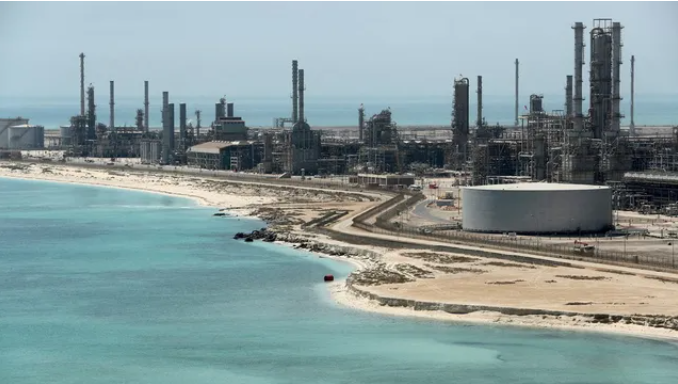
India plans to develop five indigenous Small Modular Nuclear Reactors by 2033 to strengthen clean energy, energy security, and reduce carbon emissions.

India is taking a significant step toward expanding its clean energy capacity and strengthening energy security, with the Central Government setting a target to establish at least five indigenous Small Modular Reactors (SMRs) by 2033. The initiative is part of the country’s broader strategy to meet rising electricity demand, reduce dependence on fossil fuels, and support its long-term climate commitments through low-carbon energy generation.
The announcement reflects India’s growing emphasis on advanced nuclear technology as a reliable source of clean power. Experts believe Small Modular Reactors could play a transformative role in the country’s future energy mix by providing flexible, safe, and efficient electricity generation while complementing renewable energy sources such as solar and wind.
Minister of State in the Department of Atomic Energy, Dr. Jitendra Singh, informed Parliament through a written reply that the Atomic Energy Commission has approved Tarapur in Maharashtra as the project site for indigenous Small Modular Reactors with capacities of 220 megawatts and 55 megawatts. According to the government, the reactors will be developed in phases, and the feasibility of similar projects in other parts of the country will also be evaluated in the coming years.
The ambitious programme is being led by the Bhabha Atomic Research Centre (BARC), India’s premier nuclear research institution. In addition to developing the 220 MW Bharat Small Modular Reactor, BARC is also working on a 55 MW reactor and a High-Temperature Gas-Cooled Reactor specifically designed to support clean hydrogen production. These technologies are expected to contribute not only to electricity generation but also to emerging sectors such as green hydrogen, which is considered vital for achieving a low-carbon economy.
According to energy experts, Small Modular Reactors offer several advantages over conventional large-scale nuclear power plants. Their compact design allows faster construction, lower capital investment, and greater flexibility in deployment. They can be installed closer to industrial clusters, remote regions, and areas with limited grid infrastructure, making them suitable for diverse energy requirements. Modern safety systems incorporated into SMRs are also designed to enhance operational reliability and reduce potential risks.
Another major advantage of SMRs is their contribution to climate goals. Nuclear power produces electricity with minimal greenhouse gas emissions during operation, making it an important component of clean energy strategies worldwide. As countries seek to reduce carbon emissions while ensuring stable electricity supplies, advanced nuclear technologies are increasingly being considered alongside renewable energy sources.
India has committed to achieving net-zero carbon emissions by 2070 and has been steadily expanding its renewable energy portfolio through solar, wind, hydropower, and green hydrogen projects. However, unlike renewable sources that depend on weather conditions, nuclear energy provides continuous and reliable baseload electricity, helping maintain grid stability even when renewable generation fluctuates.
The development of indigenous SMR technology is also expected to strengthen India’s technological self-reliance. Experts believe that successful deployment could position the country as an important player in advanced nuclear engineering, research, manufacturing, and potentially exports. Beyond electricity generation, SMRs may also find applications in industrial operations, remote communities, data centres, desalination plants, and hydrogen production facilities.
The government has emphasized that every stage of the programme will comply with national and international nuclear safety standards. Environmental impact assessments, regulatory approvals, and public safety measures will remain central to the implementation process. Authorities said design development, research, engineering validation, and technical testing are progressing with the objective of completing the projects within the planned timeline.
Industry analysts believe that if the programme is executed as scheduled, it could significantly enhance India’s clean energy capacity while improving long-term energy security. Reduced dependence on imported fossil fuels, greater energy diversification, and lower carbon emissions are expected to support sustainable economic growth and strengthen India’s position in the global transition toward green energy.
With the planned deployment of indigenous Small Modular Reactors, India is aiming to build a more resilient, self-reliant, and environmentally sustainable energy sector, reinforcing its commitment to clean technology and long-term energy independence.