
Trump Softens Tariff Proposal: Maximum 100% Tariff on India Over Russian Oil Imports Instead of 500%
The revised U.S. sanctions bill reduces the proposed tariff on countries importing Russian oil and gas, including India, signaling a more balanced approach while maintaining pressure on Russia.
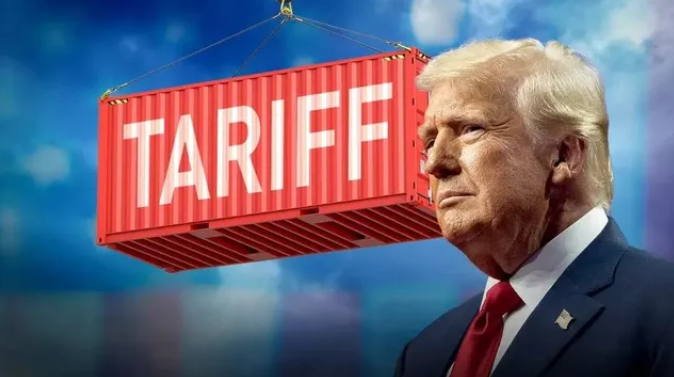
A revised version of a U.S. sanctions bill aimed at increasing economic pressure on Russia has introduced a major change. The original proposal sought to impose tariffs of up to 500% on countries purchasing Russian oil and gas, particularly India and China. However, the updated draft has reduced the maximum proposed tariff to 100%, following amendments introduced by U.S. senators.

The bipartisan legislation, backed by both Republican and Democratic lawmakers, is designed to limit Russia’s energy revenues while discouraging other nations from continuing large-scale imports of Russian oil and gas. Under the proposal, countries that continue significant energy trade with Russia could face additional tariffs on their exports to the United States.
The revised draft also includes provisions allowing exemptions for certain countries in relation to Russian natural gas imports. This suggests that the United States is attempting to maintain a balanced policy while protecting the interests of key allies.
India remains one of the largest buyers of Russian crude oil. Since the outbreak of the Russia–Ukraine conflict, India has significantly increased its purchases of discounted Russian oil, helping to meet domestic energy demand while keeping import costs under control.
Experts believe that a 100% tariff proposal is considerably less severe than the previously suggested 500% tariff. However, if implemented, it could still have significant implications for India–U.S. trade relations, as well as for the global energy market.
The bill is currently moving through the legislative process in the U.S. Congress. Its final impact will depend on whether it is approved in its current form or undergoes further amendments. As a result, India and several other countries are closely monitoring developments in the U.S. legislative process.