
Subpoenas issued to several New York Times reporters over Air Force One reporting
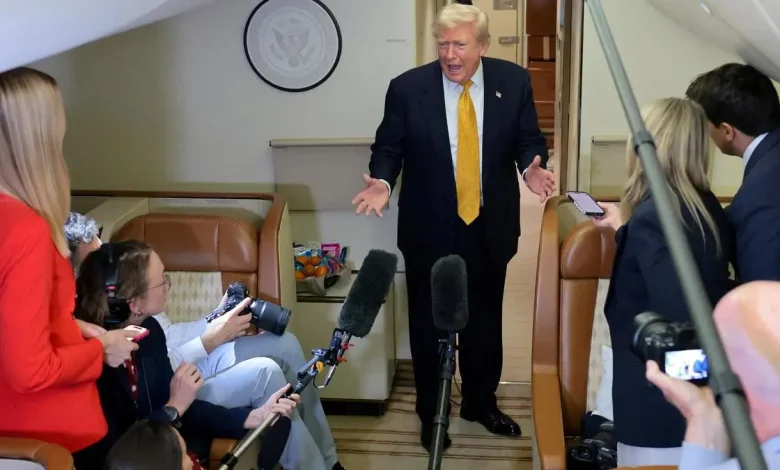
Several New York Times reporters have been served subpoenas requiring them to testify before a federal grand jury in Manhattan this coming Wednesday, according to official sources. These subpoenas demand their testimony related to recent Air Force One reporting, with some journalists receiving the legal documents at their homes.

The move marks an uncommon but significant moment in press and government relations, stirring discussions on the rights and protections of journalists covering sensitive government matters. The subpoenas aim to compel reporters to provide information for an ongoing investigation, though the exact nature and scope of the inquiry remain undisclosed.
Legal experts note that while the government has authority to issue subpoenas in federal investigations, compelling journalists to reveal confidential sources or unpublished materials raises critical questions about press freedom and the First Amendment.
Several news organizations have decried the subpoenas as an intimidation tactic that could undermine journalistic independence. “The press must be free to report on matters of public interest without fear of government reprisals,” said a spokesperson for a major media group, emphasizing the fundamental role of investigative journalism in a democratic society.
The New York Times has not commented extensively on the subpoenas but underscored its ongoing commitment to protect journalistic integrity and source confidentiality. Meanwhile, the Department of Justice has neither confirmed nor denied details about the investigation or the subpoenas’ contents.
Observers will be watching closely how this situation unfolds, as it could set precedents affecting how journalists interact with legal processes in the future. The case also highlights ongoing tensions between national security considerations and the public’s right to information, particularly concerning high-profile government facilities like Air Force One.
As the reporters prepare to appear before the grand jury, many in the media and legal communities are calling for clarity and safeguards to ensure that journalistic practices are respected and preserved amid such investigations.