

Why the VBSA Bill Faces Pushback Over Higher Education Centralisation Concerns
Several states argue that the Viksit Bharat Shiksha Adhishthan (VBSA) Bill could weaken state autonomy and reshape India's higher education governance.
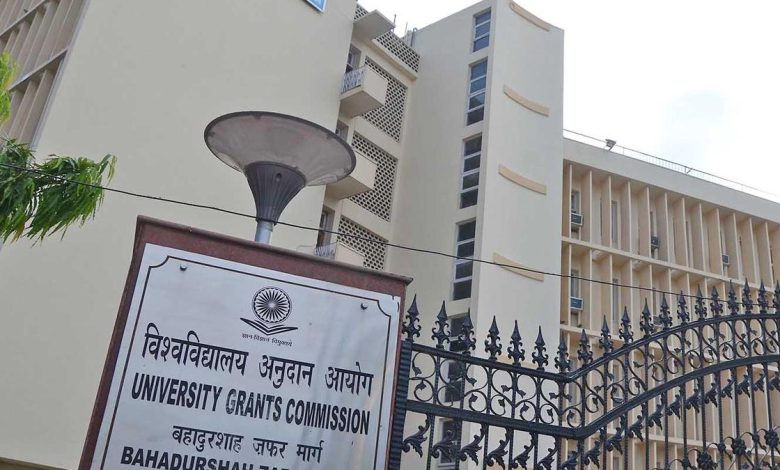
The VBSA Bill has sparked opposition from several states over concerns of excessive centralisation in higher education. Here’s what the debate means for India.

In recent developments, several NDA-ruled states have voiced strong opposition to the Viksit Bharat Shiksha Adhishthan (VBSA) Bill. The primary concern among these states revolves around the perceived centralisation of higher education regulation, which they believe could undermine their autonomy in managing educational affairs.
The VBSA Bill, introduced as a reformative measure aiming to standardise and streamline higher education governance across India, has drawn criticism for potentially diluting the powers traditionally exercised by state governments. Education being a subject on the concurrent list, states argue that excessive central oversight may restrict their ability to tailor policies according to regional needs and priorities.
State leaders contend that the Bill’s provisions could lead to a scenario where the Centre takes a dominant role in decisions related to curriculum design, accreditation, and institutional administration. This perceived shift in control threatens the federal balance, as states currently enjoy considerable discretion in regulating universities and colleges under their jurisdiction.
Analysts note that while the Bill aims to create a unified regulatory framework, concerns about one-size-fits-all policies disregarding regional diversity are valid. Several states have requested amendments to ensure their greater participation in decision-making and safeguarding of their educational interests.
Moreover, the opposition from NDA-led states underscores the complexity involved in balancing national educational standards and state autonomy. Critics fear that centralisation may not only stifle innovation but also hamper responsiveness to local educational challenges.
The government, however, argues that the VBSA Bill is essential to raise quality benchmarks, reduce redundancy, and enhance accountability across higher education institutions nationwide. It maintains that a coordinated approach will boost India’s global competitiveness and ease regulatory bottlenecks.
As the debate continues, stakeholders from academia, politics, and civil society are closely monitoring how these concerns will be addressed to achieve a workable consensus. The outcome will likely set a significant precedent for the future of education policy and federal governance in India.