

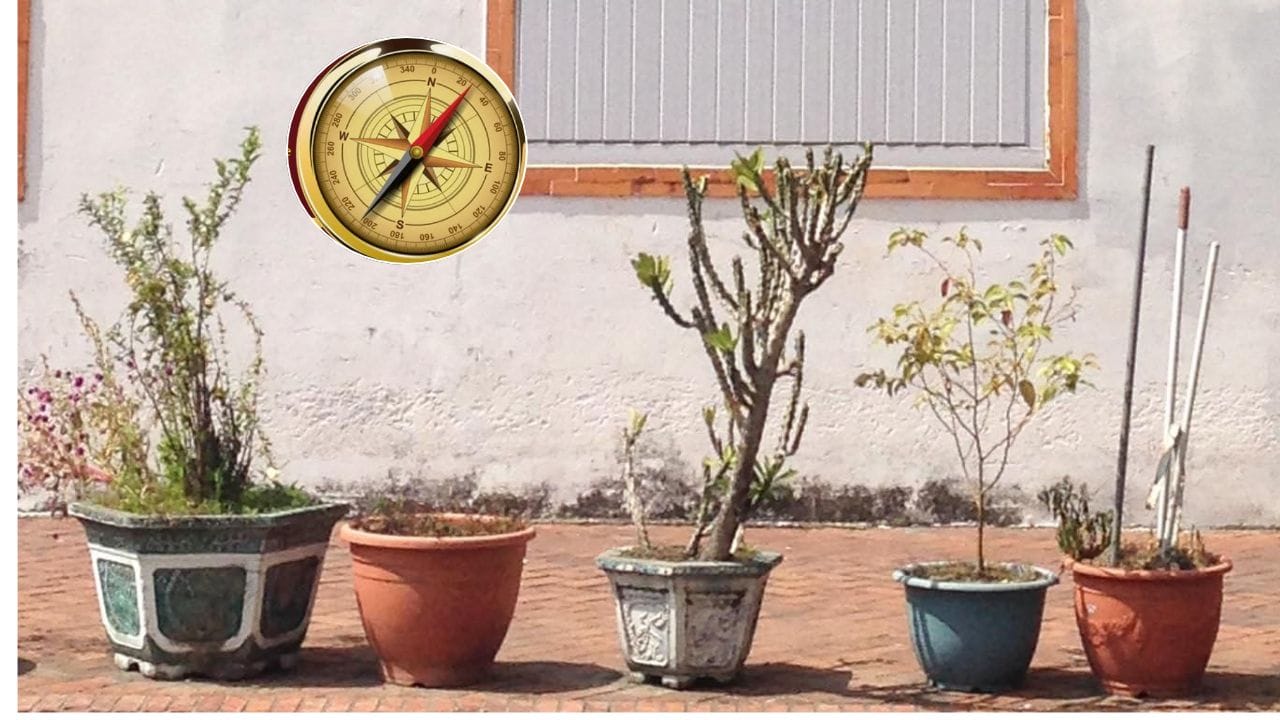
The growing trend of home gardening has people turning rooftops, balconies, and courtyards into leafy spaces that brighten living areas and boost greenery. Yet, according to Vastu Shastra, certain plants on the roof are considered inauspicious and could invite negativity or disrupt family harmony. This report examines which rooftop plants should be avoided.
Plants to Avoid on the Roof
Cacti, known for their spines, are often discouraged by Vastu because sharp edges are believed to induce tension, conflicts, and negative energy within a home. Vastu practitioners commonly advise keeping cactus away from the roof or main living spaces to prevent increased stress and disputes among household members.
Another common rooftop feature is the accidental growth of Peepal and Banyan saplings, especially after rains or from birds depositing seeds. While these trees hold great reverence in Hindu tradition, Vastu considers their presence on the roof inauspicious due to the potential for negative energy to seep into the home.
Dead, dry, or withered plants on the roof are also deemed unfavourable. Dry plants symbolize despair and stagnation, and their long-term presence can create a dull atmosphere and hinder prosperity. Regular care is urged: remove completely dried plants, refresh pots with new soil, and ensure adequate water and sunlight for remaining greenery.
Maintenance is emphasized because a neglected rooftop garden can disrupt the intended flow of energy in the home. By rotating or replacing dying plants, homeowners can keep the space vibrant while supporting a healthier microclimate on the rooftop and preventing an unkempt look that might invite negativity.
Rooftop Plants Viewed Positively
Vastu also identifies certain plants that are associated with positivity, prosperity, and peace when grown at home. Among these are Tulsi, commonly revered in Hindu rituals, along with flowering varieties like Geranium, Hibiscus, and Jasmine. Fragrant plants are highlighted for their aesthetic appeal and their role in uplifting the atmosphere inside and around the house.
Together with Tulsi, flower-bearing plants such as Genda (marigold) and other fragrant species contribute to a welcoming, serene environment, making rooftop corners suitable for worship or quiet reflection. These plants are noted for enhancing beauty while aligning with traditional practices that prioritize balance and harmony in living spaces.
The article concludes with a reminder to readers that vastu guidance should be followed with care and regular upkeep of rooftop greenery. For those who value greenery and ritual significance, selecting positive-energy plants and removing stressed specimens can support a calm, flourishing rooftop garden that respects both tradition and practical living needs.