
Gulf Earnings to Reveal Economic Impact of Iran Conflict Across Key Sectors
Second-quarter earnings from Gulf companies are expected to highlight how the Iran conflict has affected banking, real estate, energy, and telecommunications.
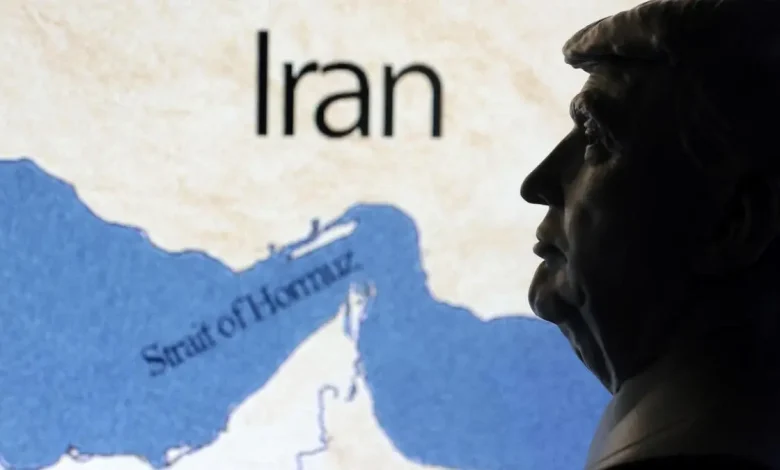
Upcoming Gulf corporate earnings are expected to reveal the economic impact of the Iran conflict, with banking and real estate under pressure while energy firms remain resilient.

Second-quarter financial results are poised to shed light on the uneven impact of the ongoing Iran conflict across various sectors. As investors and analysts await detailed earnings reports, early indicators suggest that banks and property markets are facing significant pressures, while energy and telecommunications sectors demonstrate relative resilience.
The conflict’s ripple effects have introduced volatility and uncertainty that have disproportionately affected some industries more than others. Banking institutions, which traditionally depend on stable economic conditions, are grappling with tightened credit conditions and rising non-performing loans. The conflict has exacerbated these challenges, reducing investor confidence and limiting capital flows.
Meanwhile, the property market is under strain as consumer confidence wanes and foreign investment slows. The volatile political landscape has made long-term real estate investments riskier, leading to price corrections and reduced transaction volumes in key urban centers.
In contrast, the energy sector continues to show resilience despite the ongoing conflict. Increased global demand and supply constraints have helped maintain robust revenues for oil and gas companies. Additionally, efforts to diversify energy sources and expand telecom infrastructure have supported the telecommunications industry, which has benefited from steady consumer demand for connectivity and digital services.
Experts highlight that while earnings reports will reveal the depth of the financial impact, the overall economic landscape remains fluid. The divergent sectoral performance underscores the complex nature of the conflict’s consequences, emphasizing the need for tailored strategies to navigate the evolving challenges.
Investors are advised to monitor upcoming quarterly results closely, as they will offer more precise indications of which sectors are most vulnerable and which may emerge stronger. Policymakers and business leaders alike face a critical period in assessing the conflict’s long-term economic ramifications and crafting responses that balance risk with opportunity.
In summary, the second-quarter results are expected to present a detailed picture of the conflict’s toll on the economy, highlighting the pressure on banking and property sectors and the relative strength of energy and telecommunications. These insights will be crucial in understanding the broader implications for growth and stability amid ongoing geopolitical tensions.