

Reviving Patna Kalam: Bihar’s Efforts to Restore a Forgotten Art Heritage
The centuries-old Patna Kalam painting tradition is making a comeback as artists and cultural institutions work to preserve Bihar's unique artistic legacy.
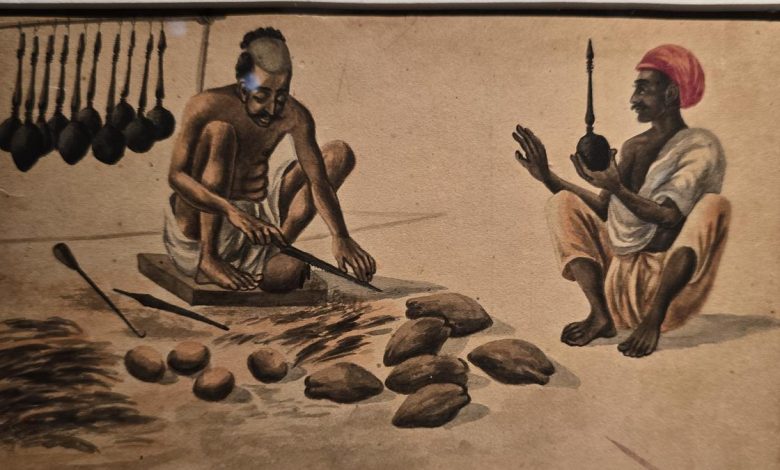
Discover how Bihar is reviving the historic Patna Kalam painting tradition, preserving an 18th-century art form that beautifully captured everyday Indian life.

Bihar is witnessing a resurgence of interest in a unique art form that once flourished during the 18th century, known as Patna Kalam. This distinctive style, which is an intriguing blend of Mughal miniature techniques and European naturalism, was nearly forgotten but is now making a significant comeback.
Patna Kalam, also referred to as the Patna School of Painting, originally developed in the city of Patna. Unlike many other Indian art forms that largely focused on royal themes or religious subjects, Patna Kalam artists turned their gaze toward the everyday lives of common people—capturing bustling markets, rural festivities, and the nuances of daily existence. This focus lends the art a documentary quality that offers rare historical insight into that era.
The fusion of Mughal miniature art’s delicate brushwork with European influence brought by traders and travelers introduced a striking realism to the style. Artists used naturalistic shading, perspective, and detail to vividly portray subjects in a way that was uncommon in traditional Indian painting of the time. This approach helped Patna Kalam to stand apart from other regional styles.
Over the centuries, various socio-political upheavals and changing artistic preferences led to the decline of Patna Kalam. The art form was largely overshadowed and nearly disappeared from public consciousness. However, in recent years, cultural conservationists, local historians, and government bodies in Bihar have joined forces to revive and promote this invaluable heritage.
Several initiatives now support Patna Kalam artists, including workshops, exhibitions, and collaborations with museums both in India and internationally. These efforts aim not only to preserve existing works but also to inspire new generations of painters to explore and innovate within the Patna Kalam style.
The revival has also sparked interest among collectors and academics, shedding light on the pivotal role Patna Kalam played in India’s artistic history. By restoring and celebrating this art form, Bihar is reclaiming a vital part of its cultural identity and enriching the broader narrative of Indian art heritage.
As Patna Kalam re-emerges, it serves not just as an art style but as a vivid reflection of the social fabric of 18th-century India through the eyes of common people. This revival is a testament to how traditional art forms can adapt and thrive in the modern cultural landscape while preserving their unique historical essence.