

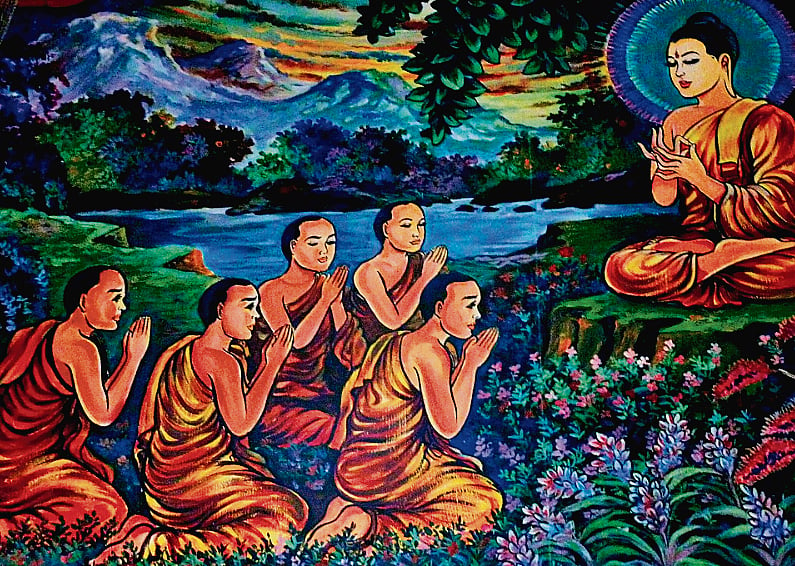
A quick look at today’s clashes over religious views shows how arguments often start with personal explanations, move to rejecting others’ beliefs, and end in insults. This pattern mirrors an old tale shared by Swami Vivekananda about Gautama Buddha.
The modern pattern echoes a biblical story
Today, it is common to hear people argue about religious matters in politics and on social media. The discussions usually begin with defending one’s own view, then reject others’, and finally descend into personal attacks. This is not new; in old times, such clashes happened face-to-face. Swami Vivekananda told a story about Gautama Buddha to illustrate this point.
The Buddha and the five Brahmins
In the tale, five young Brahmins quarrel over which path leads to God. They tell the Buddha that each was taught a way to God by their elders, that their way is right, and all others are wrong, which sparks their fighting. The Buddha asks, ‘You say that you have been taught the way to God, but have you seen God?’ They respond, ‘No.’ He then asks, ‘Did your father see God?’ They reply, ‘No.’ The Buddha asks, ‘Your grandfather? Your teachers?’ All the Brahmins shake their heads.
The young man who could not name his beloved
The Buddha continues with a village story: a young man weeps and cries, saying, “I will only marry her! I will only marry her!” When asked who she is, where she lives, what she looks like, or who she is named, the man says he does not know. The villagers remark that he must be mad, crying for a woman he knows nothing about.
The Buddha’s challenge to the Brahmins
The Buddha then asks the Brahmins, ‘What would you call this young man?’ They answer, ‘No doubt, he is a madman. He is crying about a woman about whom he knows nothing.’ The Buddha counters, ‘Are you not the same? You speak of a God whom you have never seen, nor have your father, grandfather or teachers seen. Yet you quarrel over such a matter and try to cut each other’s throats.’
Turning to humility and purity
The young Brahmins realize their folly and ask what to do now. The Buddha asks, ‘Tell me, did your father ever teach you that God is angry?’ They shake their heads. ‘Did he ever teach you that God is evil?’ Again, they shake their heads and say, ‘No. God is always good and pure.’
Conclusion: a path toward God
The Buddha concludes that if you are pure and good, you will have a better chance of coming closer to God than by arguing and harming one another. He therefore says, be good and pure, and love everyone.