
Voting in India Should Be More Than Just a Legal Right: Why Civic Participation Matters
Experts highlight the need to strengthen voter awareness and encourage greater civic participation beyond the constitutional framework of voting rights in India.
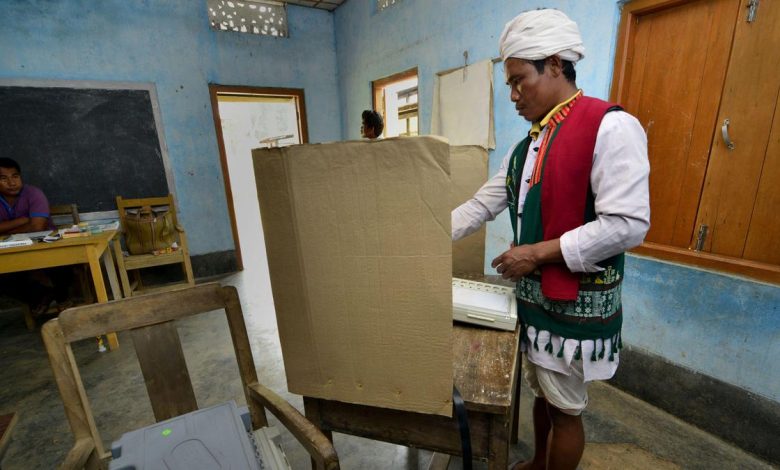
Explore why voting in India should be viewed as more than a legal right and how greater civic participation can strengthen the country’s democratic process.

In India, the right not to vote is constitutionally protected, offering citizens the freedom to abstain without facing penalties. However, the right to vote itself lacks the same explicit constitutional guarantee, creating a unique democratic paradox. Experts say this distinction raises important questions about voting as both a legal duty and a fundamental right.
The Indian Constitution enshrines various voting provisions, but it does not explicitly mandate citizens to cast their ballots. This contrasts with some other democracies where compulsory voting laws ensure widespread participation. While abstaining from voting is clearly permitted and protected, actively exercising the vote relies more on an individual’s sense of civic responsibility than constitutional mandate.
Political analysts note that this setup embodies India’s democratic ethos — promoting voluntary participation over coercion. Yet, low voter turnout in several elections across states continues to fuel debate around the effectiveness of voting as a purely statutory right. Campaigners and civil society groups frequently call for better voter education and encouragement to strengthen democratic engagement.
Legal scholars emphasize the need for clarity in Indian law to protect and promote voting as a fundamental right, not just a statutory privilege. They argue that recognizing voting explicitly as a constitutional right could empower citizens and institutionalize greater accountability from elected representatives.
Meanwhile, the Election Commission of India continues to conduct extensive campaigns to motivate voter participation and uphold the integrity of the electoral process. It promotes the message that voting is both a right and a vital duty, critical to the health and vibrancy of the world’s largest democracy.
As India evolves politically and socially, the discussion around voting rights remains a key topic among lawmakers, judiciary members, and the electorate. Balancing individual freedoms with collective democratic responsibilities will be central to how India shapes its electoral future. Ensuring that the right to vote is more than just statutory — but a core constitutional guarantee — may strengthen Indian democracy for generations to come.