

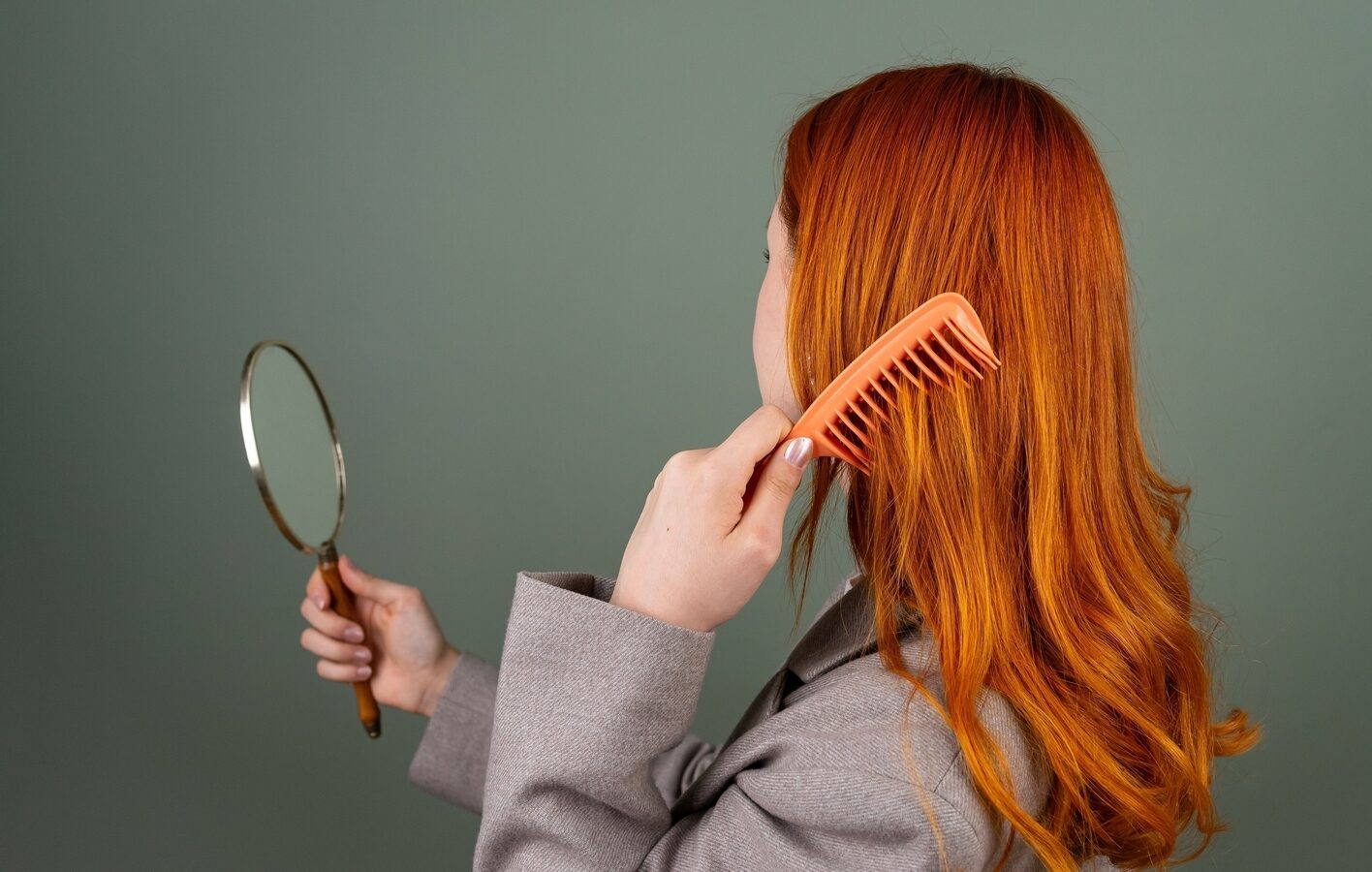
Hard water can affect hair texture, and minerals like calcium and magnesium may deposit on hair, according to dermatologist Dr. Ashwini Kandikatla.
Changing shampoos or trying different conditioners is a common response to dry, unmanageable hair, but mineral content in household water can also influence hair texture over time, the doctor says.
In an interview with HT Lifestyle, Dr Ashwini Kandikatla, dermatologist, aesthetic dermatologist, and hair transplant surgeon at Satvi Skin Clinic, Bhiwandi, explained how hard water may impact hair quality.
Hard water
Hard water contains higher concentrations of dissolved calcium and magnesium. Its composition varies across regions and depends largely on the local water source. In areas where groundwater is commonly used, mineral concentrations can be relatively high. Regularly washing hair with such water may contribute to deposits on the hair surface, affecting its texture over time.
What happens to hair during washing?
“The outermost layer of hair comprises overlapping cells and helps protect the internal structure of the hair strand. Minerals and residues from styling and cleaning hair products can settle on hair, thus making hair strands feel rough and tangled,” explained Dr Kandikatla.
Furthermore, hair cleansing is influenced by water hardness, as calcium and magnesium form insoluble residues with certain soap components, reducing their effectiveness. This is the main reason hair sometimes feels untidy despite being washed. The influence varies from person to person, and hair that has previously been treated with colouring, bleaching, or heated styling is more likely to have such problems.
Why conditioners cannot fix everything
Dr Kandikatla highlighted that conditioners operate by depositing conditioning agents on the hair’s surface, which helps minimise friction between hair strands, thereby improving ease of manipulation.
However, conditioning products are not normally designed to remove mineral buildup. In case of buildup, simply applying more conditioners will not solve the problem. A clarifying shampoo can be used once in a while to remove buildup, but only as needed.
Is hard water always to blame?
“Not necessarily. Dryness can also result from excessive heat styling, chemical treatments, unsuitable haircare products, or underlying scalp conditions,” said Dr Kandikatla.
Water quality is one factor to investigate, particularly when changes in hair texture coincide with a change in residence or water supply.
Shower filters are sometimes considered a solution, but their effectiveness depends on the filtration method. Standard sediment filters, for instance, do not necessarily remove dissolved calcium and magnesium. Understanding the water used for regular hair washing adds another dimension to haircare. It also explains why changing products alone does not always produce the results people expect.
Note to readers: This article is for informational purposes only and not a substitute for professional medical advice. Always seek the advice of your doctor with any questions about a medical condition.