

Delhi HC Bars Ilaiyaraaja from Broadcasting 134 Film Songs in Saregama Copyright Dispute
Court Rules Saregama Holds Rights to Sound Recordings, Restricts Broadcast of Songs from 134 Films
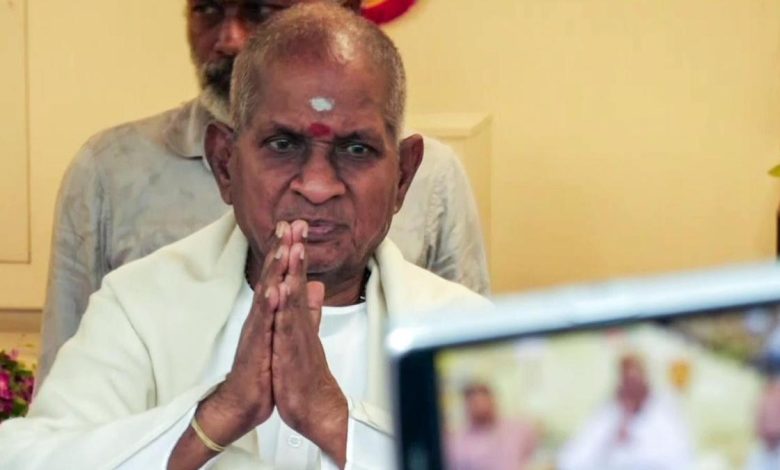
The Delhi High Court has restrained composer Ilaiyaraaja from broadcasting songs from 134 films, ruling that Saregama owns the sound recording rights in the ongoing copyright dispute.

The Delhi High Court recently delivered a significant verdict in the ongoing copyright dispute involving legendary composer Ilaiyaraaja and music label Saregama. The court ruled that the rights of Ilaiyaraaja under the Copyright Act are strictly limited to his musical compositions, and any unauthorized exploitation of the disputed sound recordings would amount to copyright infringement.
This ruling came as part of a legal battle where Ilaiyaraaja sought relief against the unauthorized usage and broadcasting of songs from 134 of his films. These songs are owned or licensed by Saregama, leading to a conflict over ownership and rights of the sound recordings versus the underlying musical works.
The Delhi High Court emphasized that while Ilaiyaraaja holds moral and economic rights over the compositions he created, the rights over the actual sound recordings, often owned by music companies like Saregama, are distinct and governed separately under copyright law. This clarification is crucial as it delineates the bounds of control composers have over their creations versus the rights of sound recording owners.
The court restrained Ilaiyaraaja from broadcasting or authorizing the broadcasting of songs from the 134 films in question, recognizing Saregama’s ownership of the sound recordings. It held that any exploitation of these recordings without proper authorization would constitute a clear violation of Saregama’s copyright.
Experts note that this ruling underscores the complexity of intellectual property rights in the Indian music industry, where composers, lyricists, and recording companies share layered rights on the same musical works. The court’s interpretation aligns with the Copyright Act’s framework, which separates the rights over musical compositions from the recorded sound captures.
Industry insiders believe this decision will have lasting implications for artists and music companies, prompting a reevaluation of contracts and licensing arrangements to ensure clarity over ownership and rights. For Ilaiyaraaja, one of India’s most revered composers, this case highlights the importance of securing comprehensive rights related to sound recordings in addition to compositions.
The ruling reinforces the need for all stakeholders in the music industry to understand their legal boundaries within copyright law and to seek mutual agreements to avoid costly litigation.