

Commercial LPG, 5-kg FTL, and Domestic ATF Prices Reduced as Conflict Pressures Ease
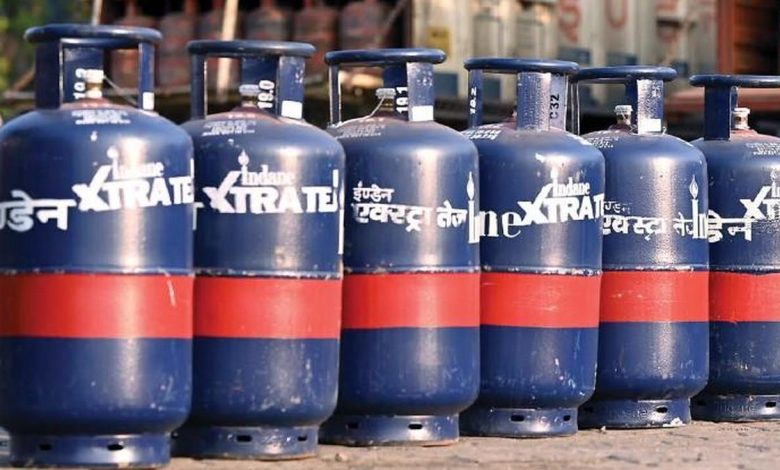
The recent easing of tensions in West Asia has led to an improvement in fuel supplies, resulting in a noticeable drop in the prices of commercial LPG and aviation turbine fuel (ATF). However, domestic LPG rates have remained stable, reflecting a cautious approach amidst ongoing market fluctuations.

Industry analysts suggest that the improvement in supply chains following a decline in conflict-related disruptions has allowed distributors to lower rates for commercial LPG customers. The 5-kg free trade license (FTL) cylinder prices have also seen a reduction, benefiting small businesses and commercial consumers who rely heavily on this fuel source.
ATF prices for domestic aviation have similarly eased, marking a welcome relief for airlines and other aviation-related industries facing rising operating costs over recent months. The reductions are expected to filter down to ticket prices and cargo charges in the near future, alleviating some financial pressures on the sector.
In contrast, domestic LPG prices have remained steady, largely due to government policies aimed at protecting household consumers from sudden market-driven price changes. Domestic LPG is a crucial household energy source, and its stability reflects efforts to maintain affordability for millions of families nationwide.
Experts highlight that while the wider geopolitical situation in West Asia remains complex, the current lull in conflict has positively impacted the energy market. This has improved supply security and enabled pricing adjustments that support economic activity and consumer demand.
Consumers and businesses are advised to monitor ongoing developments, as fuel prices can fluctuate with changes in international political dynamics and supply chain conditions. Stakeholders remain hopeful that sustained peace efforts will continue to enhance market stability and bring lasting benefits to energy consumers.
This development underscores the interconnectedness of global geopolitics and local energy markets, with peaceful resolutions playing a vital role in economic well-being. As supply chains stabilize, the gradual easing of fuel prices signals a positive trend for commercial sectors and the aviation industry alike.
For now, while domestic LPG users experience price stability, the broader market improvements provide cautious optimism for more affordable energy costs in the coming months. Industry observers will continue to watch the situation closely, ready to respond to any further changes in the geopolitical landscape.