

Iran Strikes Bahrain and Kuwait After U.S. Attacks, Threatening to End War Talks
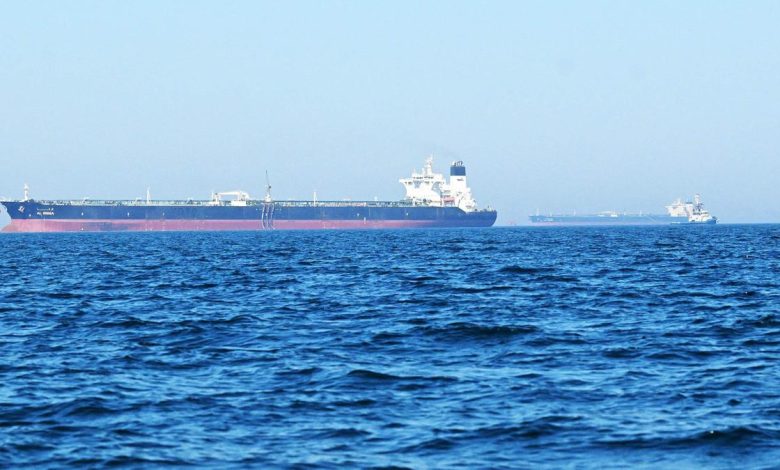
An interim agreement between the U.S. and Iran sought to ease tensions and resume commercial transit through the Strait of Hormuz, a critical maritime route once responsible for carrying nearly a fifth of the world’s oil and natural gas supplies. This strategic waterway has long been a focal point of geopolitical conflicts, given its importance to global energy markets.


Recent developments have brought renewed urgency to the negotiations aimed at ending the ongoing conflict between the two nations. The proposed deal envisioned a halt in hostile activities and the reopening of the Strait for safe passage, which is vital for the energy-dependent economies across Asia, Europe, and beyond.
The Strait of Hormuz, located between Iran and the Arabian Peninsula, has consistently been at the heart of regional security concerns. Its narrow channels allow only limited safe navigation, and any disruption can have far-reaching effects on oil prices and international trade. Past incidents have led to spikes in global energy costs and heightened military presence by world powers.
According to sources close to the negotiations, the interim agreement aimed to build mutual trust and create a framework for a more permanent peace arrangement. It included stipulations on halting aggressive naval maneuvers and reassuring the international community of the free flow of commerce through this vital corridor.
However, challenges remain as both parties express skepticism about the other’s commitment to the deal. Regional allies and global stakeholders are closely monitoring progress, recognizing that stability in the Strait is central to global economic stability and energy security.
Efforts continue at diplomatic levels to strengthen the ceasefire and facilitate dialogue. Analysts suggest that successful implementation of the interim measures could pave the way for broader agreements addressing arms control, regional security, and economic cooperation.
Despite the difficulties, the interim deal represents a hopeful step toward reducing one of the world’s most volatile flashpoints. The international community awaits further developments, hopeful that the reopening of the Strait of Hormuz for peaceful transit will mark the beginning of a new chapter in U.S.-Iran relations and regional stability.