
Freight Costs Remain a Heavy Burden for MSME Exporters Amid Global Supply Chain Challenges
Rising logistics expenses, container shortages, and shipping delays continue to impact India's MSME exporters, reducing competitiveness and increasing financial pressure.
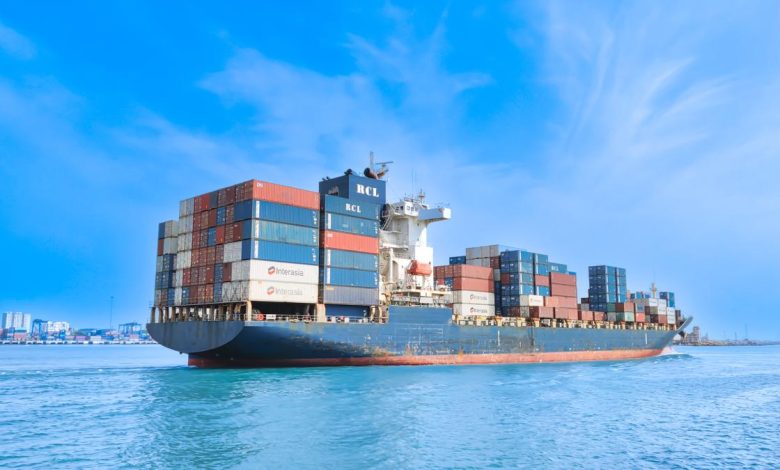
Freight costs continue to hurt MSME exporters as rising logistics expenses, container shortages, and shipping delays impact exports, profitability, and global competitiveness.


India’s Micro, Small, and Medium Enterprises (MSMEs) are facing mounting challenges as freight costs continue to rise amid ongoing global supply chain disruptions. Increasing shipping charges, container shortages, and logistics delays are significantly impacting export businesses, especially those dealing in perishable goods. Industry leaders warn that unless freight costs stabilize and supply chain bottlenecks ease, MSME exporters may continue to struggle with declining profitability and reduced competitiveness in international markets.
MSMEs typically operate on thin margins, which leaves them little room to accommodate sudden hikes in operational costs. The unprecedented surge in freight charges globally has added pressure on these exporters, many of whom are finding it difficult to maintain their export volumes. According to Rangaswamy, delays caused by the scarcity and long wait times for shipping containers exacerbate the problem, especially for exporters of perishable items like fruits, vegetables, and other fresh produce. Time-sensitive shipments face increased risks of spoilage and loss, further aggravating financial losses.
The situation is a stark reminder of the vulnerabilities within the export supply chain that MSMEs face. While larger corporations might be able to negotiate better tariffs or absorb additional costs, small exporters usually lack such leverage. The spike in freight costs has coincided with ongoing global supply chain disruptions, making container availability a critical bottleneck.
Industry experts note that the freight market’s volatility stems from multiple factors, including persistent COVID-19 impacts, fluctuating fuel prices, and uneven demand across shipping routes. For MSMEs, these challenges translate into unpredictability and operational setbacks. Governments and trade bodies are urged to intervene with targeted support mechanisms, such as subsidies or streamlined export processes, to help these exporters sustain their operations.
In addition to freight cost concerns, exporters also face challenges in securing timely access to containers, which has led to extended wait times at ports. This delay particularly harms perishable goods exporters, as prolonged transit times can compromise product quality and shelf life. V. Rangaswamy stresses the need for addressing both freight costs and container availability concurrently to ensure MSME exporters can remain competitive in international markets.
The Coimbatore District Small Industries Association is actively engaging with policymakers to seek relief measures and enhance export infrastructure. They emphasize that without prompt action, many small exporters may be forced to scale back operations or exit the export market altogether, which could have broader economic implications.
As global trade patterns evolve, addressing these logistical challenges remains essential for sustaining MSME export growth. The industry’s resilience depends on collaborative measures between exporters, freight operators, and government agencies to create a more stable and supportive environment for small exporters.