

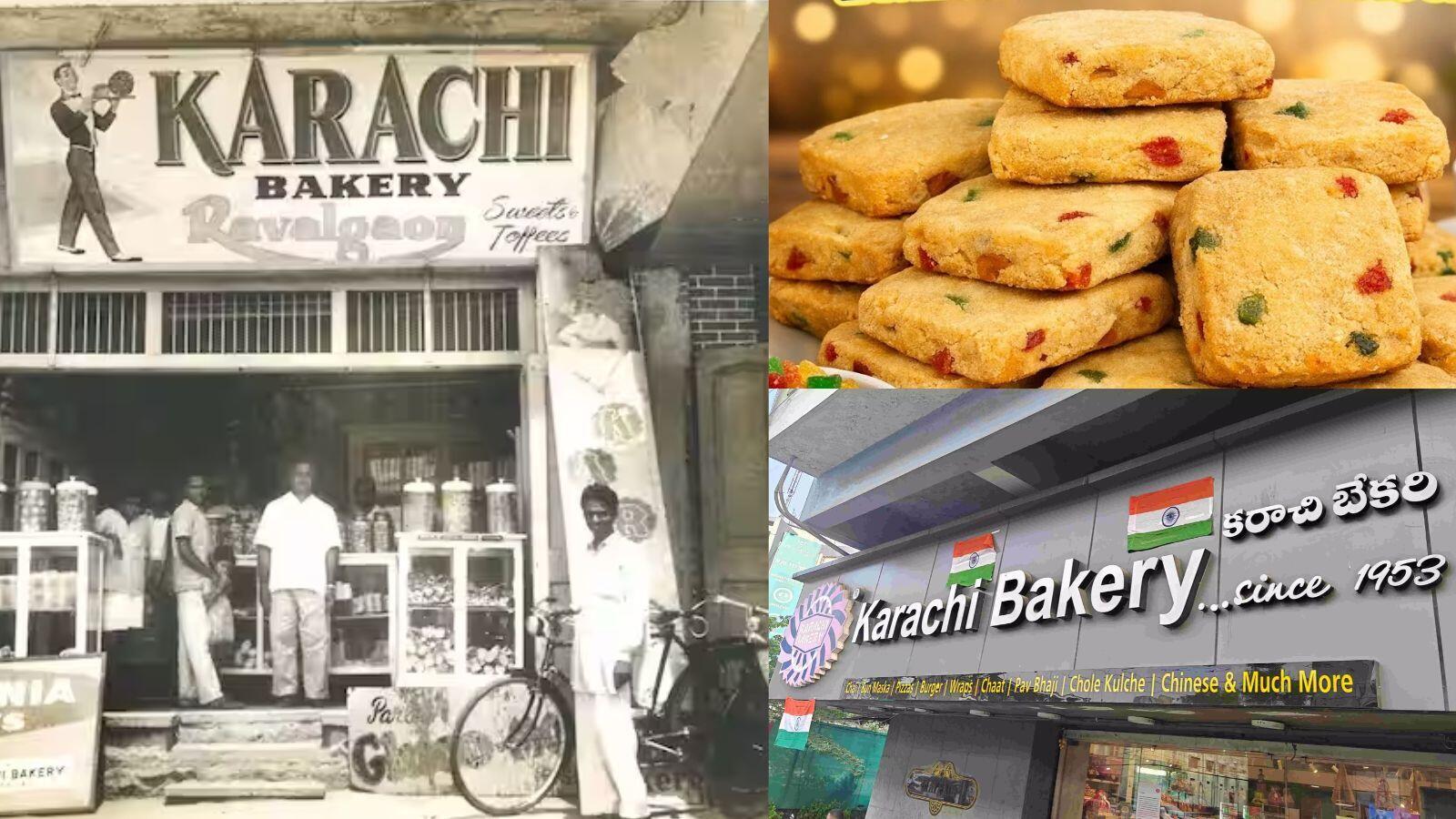
New Delhi — Hyderabad’s Karachi Bakery began not with a large investment or business plan but with the pain of partition and memories of home. In 1953, after the 1947 India-Pakistan split, Sindh-born Khanchand Ramnani arrived in India and opened a small bakery in Mozam Jahi Market, Hyderabad, naming it Karachi Bakery to keep his beloved Karachi close.
Origins in Hyderabad
From a tiny shop in a bustling market, the business initially sold bakery products acquired from other traders. Ramnani relied on old recipes and memories of Karachi to build a local customer base. The shop was modest, and the name Karachi Bakery reflected his aim to carry a piece of his homeland into daily life in Hyderabad.
By the 1960s, Ramnani began baking biscuits himself. He launched his own fruit biscuits and Osmania biscuits, and the flavors drew growing crowds. The once-small shop expanded its offerings beyond basics, as demand rose for cakes, cookies, rusks, and confections, while bread remained a staple. The shift marked a turning point in the business, laying the groundwork for a broader repertoire.
Karachi Bakery’s signature item remains its fruit biscuits, tiny chunks of fruit that add sweetness and texture. Alongside them, the Osmania biscuits from Hyderabad became a defining part of the range. Early offerings were limited to fruit biscuits, Osmania biscuits and bread, but rising demand pushed the company to add cakes, cookies, rusks, sweets and snacks, plus French pastries.
Hyderabad’s bakery now runs as a sizable operation, with six manufacturing units reported in August 2023. The plant produces and packages more than 10 tonnes of biscuits and other bakery goods daily, supported by a workforce of over a thousand employees. Initially, biscuits were handmade and baked in brick kilns, but modern machinery now handles most production, even as the company preserves traditional methods for some iconic items.
Global Reach and Controversy
Karachi Bakery’s products are no longer confined to India. They now export to more than 20 countries, including the United States, United Kingdom, Canada, Australia, New Zealand, Singapore and Gulf nations. Indian expatriates abroad particularly favor the fruit biscuits, and many customers outside India contact the company about availability.
The brand even faced controversy in 2019 due to its name Karachi Bakery being associated with the Pakistani city Karachi after the Pulwama attack. Protests targeted a Bengaluru store, and some demanded the word Karachi be removed from the signage. Later, the Ramnani family said the business is Indian and Karachi’s name reflects memories of their old city, not any foreign ties.
Today Karachi Bakery remains in the Ramnani family, with Lekhraj Ramnani and other relatives guiding its operations. The family focuses on developing new products and markets while preserving the bakery’s traditional taste and quality. Media reports estimate the company’s revenue in the last year at between 50 and 100 crore rupees.