

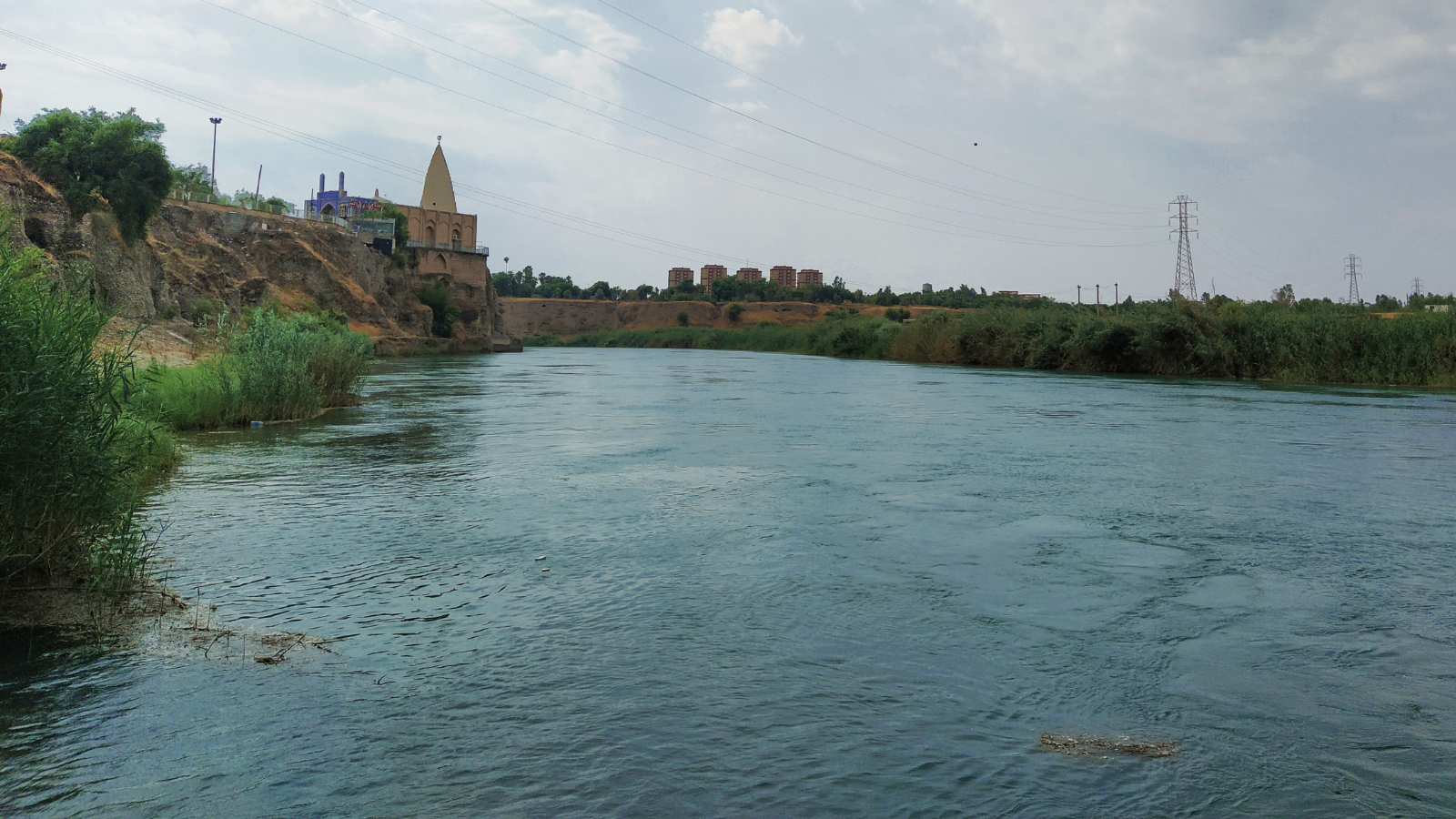
Rivers in India are more than water sources; they shape history, geography, culture, and the economy. Students preparing for competitive exams often encounter questions about origins, tributaries, flow paths, and names. A widely discussed topic in GK circles is the difference between Yamuna and Jamuna, along with a set of more than 15 river questions that frequently surface in interviews.
To grasp the Yamuna–Jamuna difference, geography matters. In India, the two names are used differently: the Yamuna is sometimes referred to as Jamuna, and in Bangladesh Jamuna is used for the Brahmaputra’s main stem. Therefore, applying the two names across all contexts as two separate rivers is not always correct.
What is the difference between Yamuna and Jamuna?
The distinction is nuanced in practice. The article notes that India’s naming can refer to the same watercourse with either name in different contexts, while in Bangladesh Jamuna is assigned to the Brahmaputra’s main stem. This demonstrates regional naming variations and why two names do not automatically indicate two different rivers.
According to the Central Water Commission website cwc.gov.in, Yamuna is a major tributary of the Ganga. Its origins lie near the Yamunotri Glacier in the Uttarkashi district of Uttarakhand. Its principal tributaries include the Chambal, Betwa, Ken, and Tons, which join the main river as it travels toward the plains.
Beyond origins and tributaries, exam materials list more than 15 questions on Indian rivers and their answers. These items cover naming variations across borders, river origins, major tributaries, and key geographical features. They are frequently tested in UPSC, SSC, and other competitive exams, helping students recall essential river facts during interviews and written tests.
One commonly asked question is which river is known by two different names in separate countries. The Brahmaputra river is called Yarlung Tsangpo in Tibet and Jamuna in Bangladesh. This example illustrates how regional naming conventions vary and why accuracy matters when discussing major South Asian rivers.
A related question asks about the Yamuna’s origin. The Yamuna starts near the Yamunotri Glacier in the Uttarkashi district of Uttarakhand, as noted in official sources. This origin point helps define the river’s early course and its role as a major tributary to the Ganga.
Other tested facts include that the Yamuna is one of the Ganga’s largest tributaries, and that the river which flows through the Rift Valley is the Narmada, running between the Vindhya and Satpura ranges. It is the Narmada that ultimately drains into the Gulf of Khambhat in the Arabian Sea.
Additional items cover the western-flowing Narmada and Tapi as they reach the Arabian Sea, while the Godavari earns the label of the South Ganga for its vast basin and cultural significance. The Mahi River is noted for crossing the Tropic of Cancer twice. The Padma, the Bangladesh portion of the Ganga–Brahmaputra system, moves toward the Meghna river system and then the Bay of Bengal.
In summary, India’s river system features diverse origins, courses, and confluences shaping geography and culture, with each river presenting unique characteristics—from westward flows to vast deltas and cross-border identities—highlighting why these questions remain essential for students and professionals alike.