
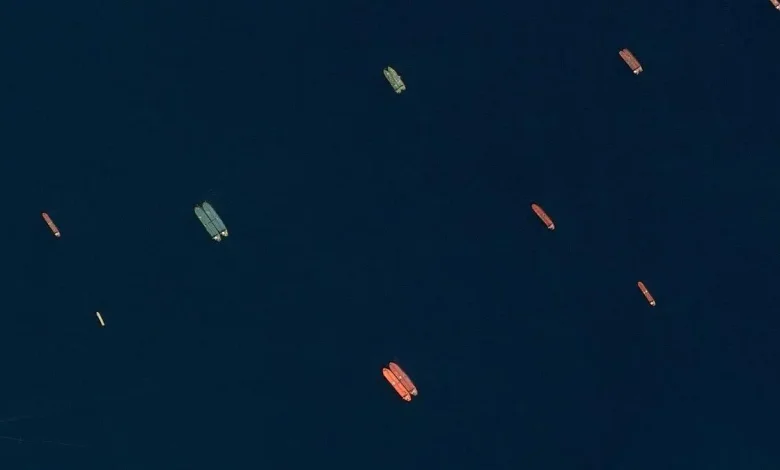
The United States has employed a method similar to Iranian ship-to-ship oil transfers to move crude oil out of the Gulf region. The operation, which began in May, has reportedly facilitated over 100 tanker-to-tanker transfers, according to sources familiar with the matter and corroborated by satellite data.

This tactic involves the use of drones, helicopters, and sophisticated monitoring systems to oversee the transfers at sea, ensuring both operational security and efficiency. The approach is notable for its resemblance to techniques reportedly employed by Iran, where vessels transfer oil cargoes discreetly to avoid detection and sanctions.
Officials have indicated that this method helps circumvent potential hurdles related to direct shipments from sanctioned or sensitive regions. By using multiple transfers at sea, the oil cargoes can change hands and flags, complicating efforts to track and restrict movements under international regulations and sanctions.
Satellite imagery has played a crucial role in verifying the scale and frequency of these transfers. Analysts monitoring the Gulf have observed patterns consistent with tanker-to-tanker interactions which were previously thought to be limited to other regional players.
Industry experts suggest that this operational shift reflects a broader strategic adaptation by the United States to maintain supply lines and market stability amidst complex geopolitical circumstances. Such tactics are seen as part of a larger effort to keep energy exports flowing while managing diplomatic pressures.
The United States government has not officially commented on the operations, citing the sensitive nature of maritime security and intelligence activities. However, sources close to the matter emphasize the legality and careful monitoring involved, aimed at adhering to international protocols while navigating the challenging dynamics of the Gulf region.
As global energy markets continue to experience volatility, innovative logistical methods like these ship-to-ship transfers are likely to play an increasing role in how crude oil is transported and distributed. The use of advanced technologies such as drones and helicopters further enhances real-time situational awareness and the ability to react swiftly to any unforeseen challenges during the transfers.
In summary, the unfolding developments around tanker-to-tanker operations highlight evolving strategies in energy transport and geopolitical maneuvering, reflecting the complex realities facing nations involved in Gulf oil trade today.