

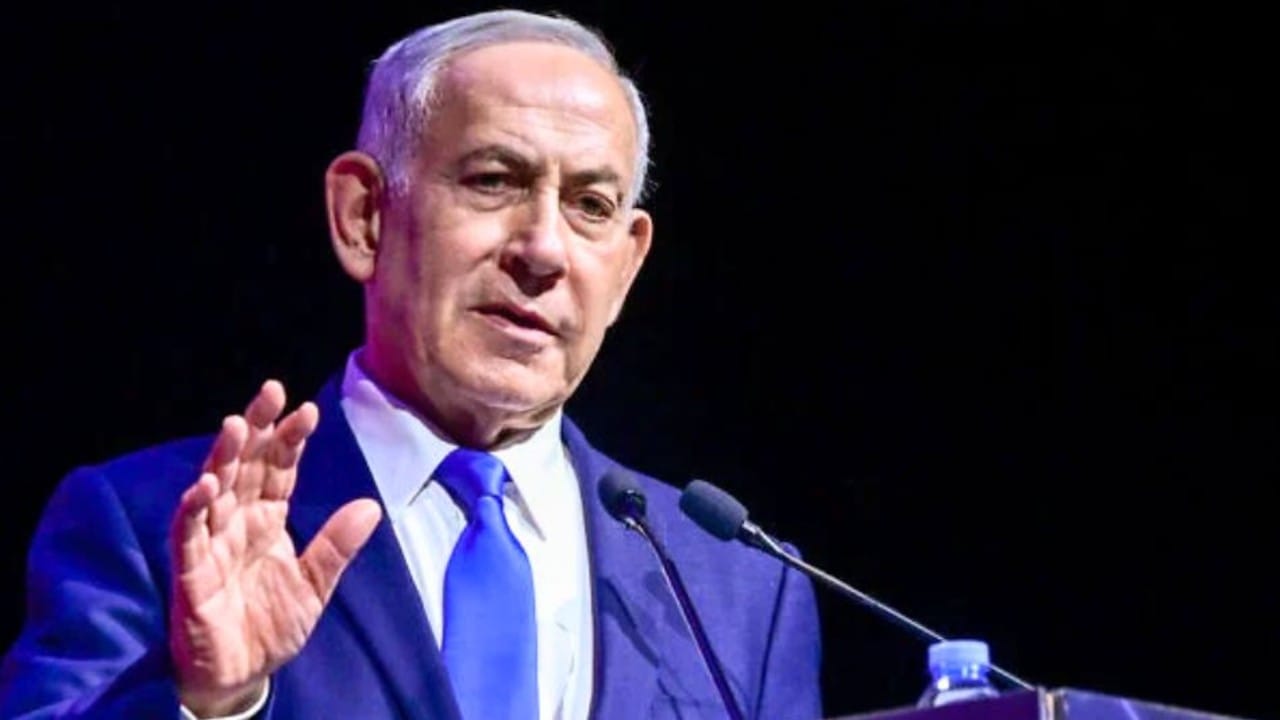
The parliamentary election held in Israel on October 27 has concluded its vote count, revealing no clear majority for Prime Minister Benjamin Netanyahu’s coalition. According to the Central Elections Committee, Netanyahu’s bloc secured 53 seats in the 120-member Knesset, while the opposing coalition led by Gadi Eisenkot won 48 seats. Notably, Arab parties achieved a historic record with 19 seats, positioning themselves as key kingmakers in the upcoming government formation.
Distribution of Seats and Electoral Breakdown
In Israel’s Knesset, a minimum of 61 seats is required to form a governing majority. The final results show Netanyahu’s right-wing coalition as the largest faction with 53 seats, wherein his Likud party alone won 27 seats. The opposition, led by Eisenkot’s Yashar party, gained 48 seats, with Yashar contributing 21 seats. The Arab parties, including Ra’am and the Joint List, garnered 19 seats collectively, marking their strongest presence in the Knesset so far.
This distribution has resulted in a hung parliament, with neither side reaching the majority threshold. Without the Arab parties’ backing, both coalitions fall short, highlighting the unusually pivotal role these parties now hold.
Arab Parties’ Role and Political Tensions
The 19 seats won by Arab-led parties have elevated their influence in Israeli politics, turning them into kingmakers in the complex coalition negotiations ahead. Traditionally, most Jewish parties in Israel have been reluctant to ally with Arab-led groups, which adds layers of political intricacy to the government formation process.
Tensions have escalated since the announcement of the election outcomes. Netanyahu’s Likud party accused Arab parties of election fraud and foreign interference. However, Dean Livne, Executive Director of the Central Elections Committee, dismissed these claims, affirming that the elections were conducted transparently and legitimately, with no evidence of systematic irregularities found.
Given these results, Israel faces a political deadlock that requires significant negotiations. The President, Isaac Herzog, is expected to meet with all party leaders to assess who has the best chance of forming a coalition with the majority needed.
Currently, three scenarios are considered possible. First, Netanyahu or Eisenkot may try to persuade smaller factions or dissatisfied opposition members to join their alliances. Second, a unity government combining Netanyahu’s and Eisenkot’s camps might be formed, although ideological differences, particularly opposition to Netanyahu, make this a difficult path. Third, if no agreement emerges within the allotted time, Israel could confront new elections in the near future.
Until a new government is established and a prime minister is sworn in, Netanyahu will remain the caretaker prime minister. During this interim period, however, his government will be limited in enacting major policies or long-term decisions.