

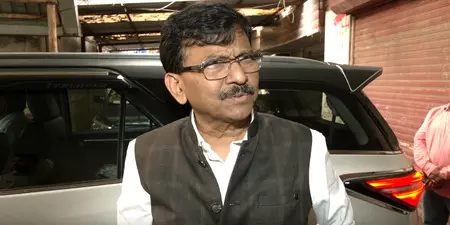
Shiv Sena (UBT) MP Sanjay Raut has strongly criticized the government after several photographs were removed from Rehan Vadra’s photography exhibition. The exhibition, held at Bikaner House in Delhi, featured images related to protests and alleged police brutality at Jantar Mantar. Raut called the removal an attempt to suppress artistic expression and invited Vadra to hold the exhibition in Mumbai instead.
Controversy Over Removed Photos
Sanjay Raut emphasized that Rehan Vadra, son of Priyanka Gandhi, is a talented photographer who also works in commercial photography. The exhibition originally displayed around 70 to 75 images connected to the protest against Chief Election Commissioner Gyanesh Kumar and the alleged police actions during the Tiranga movement. The sudden removal of these pictures raised questions for Raut, who wondered why a young artist’s work needed to be censored in such a manner.
Raut accused the government led by Prime Minister Narendra Modi and Home Minister Amit Shah of pressuring young artists to limit their freedom of expression. He pointed out that globally, photographs capturing conflict and violence are exhibited openly, and removing such images from Vadra’s show was unjustified. He alleged that the government’s actions exposed a fearful and authoritarian attitude, but stressed that this move harmed neither Vadra nor the art, rather it brought attention to ongoing issues within the country.
Future Plans and Vadra’s Response
Expressing his support, Raut stated his intention to personally visit Rehan Vadra’s exhibition. He also declared that if the exhibition cannot be held in Delhi with all its original photos, it should find a venue in Mumbai. This proposal aims to provide Vadra’s work the platform it deserves without censorship.
The dispute began after Rehan Vadra accused the administration at Bikaner House of directing the removal of over 70 photographs from his solo exhibition, “No Idea Is Final.” Vadra claimed that he had carefully chosen his photos following Bikaner House’s policies regarding political content and that his exhibition contained minimal political figures and no slogans.
According to Vadra, initial requests to remove certain images were made, to which he had been cooperative, suggesting that only four or five pictures be taken down if objections existed. However, he said no proper explanation was provided for the ultimate request to remove a much larger number of photos, which he considers unjustified and unclear.
This development has sparked debates about artistic freedom and government interference in cultural expressions, particularly when political sensitivity is involved. Vadra’s case highlights ongoing tensions between artists and administrative controls over exhibitions in India.
As the situation unfolds, many eyes are on how this issue will be resolved and whether Rehan Vadra’s photographs will get a fair platform to reach the public unaltered. Sanjay Raut’s vocal defense adds momentum to the debate on creative liberty under the current government.