

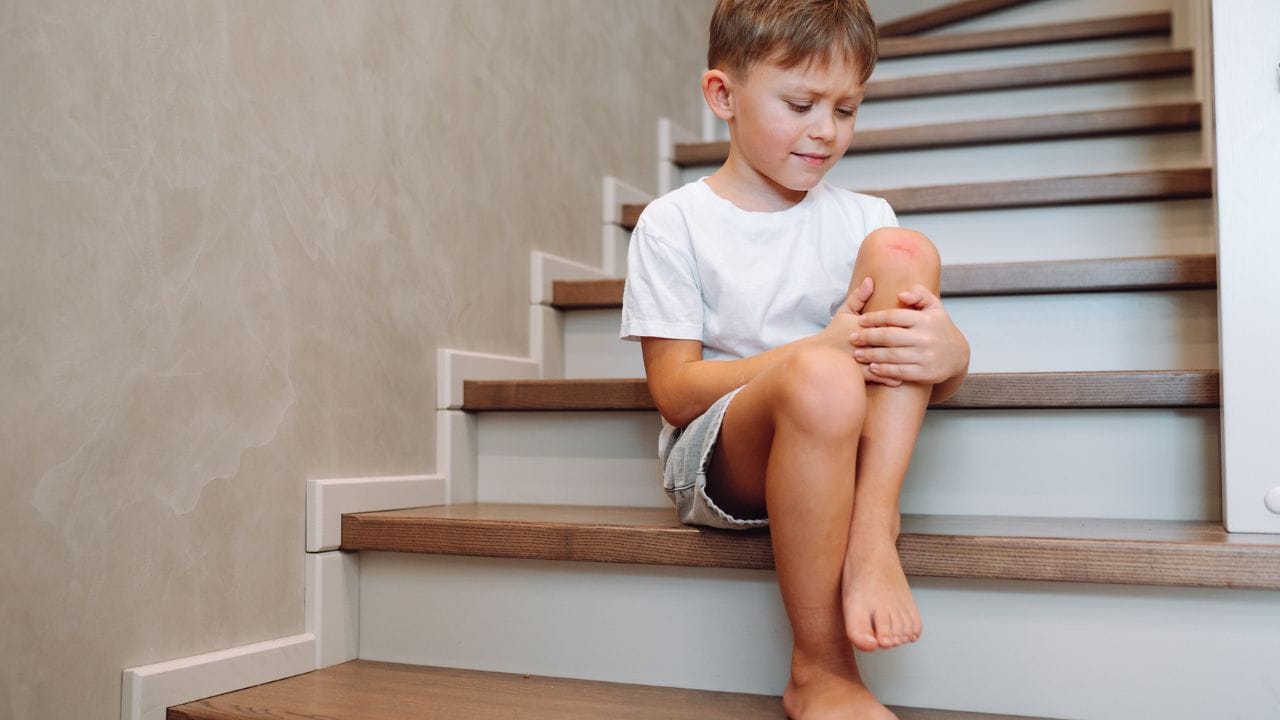
Children’s health encompasses more than just height and weight; the proper development of their bones, muscles, and joints is equally vital. Strong bones during childhood lay the foundation for better physical abilities and a healthy life in the future. However, parents often overlook symptoms like persistent leg pain, limping, frequent falls, or avoiding physical activities, mistaking them as part of normal growth.
Dr. Vivek Jain, Chairperson of the Pediatric Department Development and Principal Director Pediatrics at BLK-Max Super Speciality Hospital in Delhi, describes these symptoms as significant problems indicating weak bones. According to him, recognizing these signs early is crucial for children’s well-being.
Importance of Bone Development in Children
Bone formation and strengthening are key processes during childhood and adolescence. During this phase, bones grow rapidly, supported by essential nutrients such as calcium, vitamin D, and protein, along with a balanced diet. Physical activities like running, playing, and jumping also contribute to healthy bone and muscle development suitable for the child’s age.
Dr. Jain emphasizes paying close attention to children’s bone and joint health during growth. Ensuring proper intake of nutrients, exposure to sunlight, regular play, and periodic health check-ups can promote optimal bone development.
Symptoms That Should Not Be Ignored
Problems related to bones and joints in children can manifest in various ways. Persistent pain, joint swelling, difficulty walking, limping, reduced movement in limbs, or abnormalities in limb shape are symptoms parents should watch for carefully. If a child frequently avoids certain activities or becomes less active than before, pain or physical discomfort might be the cause.
While occasional leg pain does not always indicate a serious condition, ongoing pain in one spot, swelling, or difficulty walking warrants medical consultation. Immediate medical attention is necessary if a child suddenly becomes unable to walk, experiences severe pain, or develops joint swelling accompanied by fever.
Proper Nutrition for Stronger Bones
A diet rich in milk, yogurt, paneer, ragi, sesame seeds, lentils, and other nutrient-dense foods supports healthy bones. Vitamin D helps the body absorb calcium effectively, so adequate amounts are essential. When a vitamin D or calcium deficiency is suspected in children, consulting a doctor for testing and treatment is advised. Supplements should only be given under medical supervision.
Additionally, children should spend less time in front of screens like mobile phones or televisions and be encouraged to engage in physical activities. Regular exercise appropriate to their age strengthens muscles, improves body balance, and supports bone growth.
Monitoring Growth and Seeking Expert Advice
Some bone and joint conditions may be present from birth, while others develop over time. Parents should seek expert guidance if they notice abnormal bending of the legs, changes in gait, unequal leg length, or unusual physical development. Ignoring injuries sustained during sports or classifying them as minor pain without proper treatment can be harmful in the long term.