

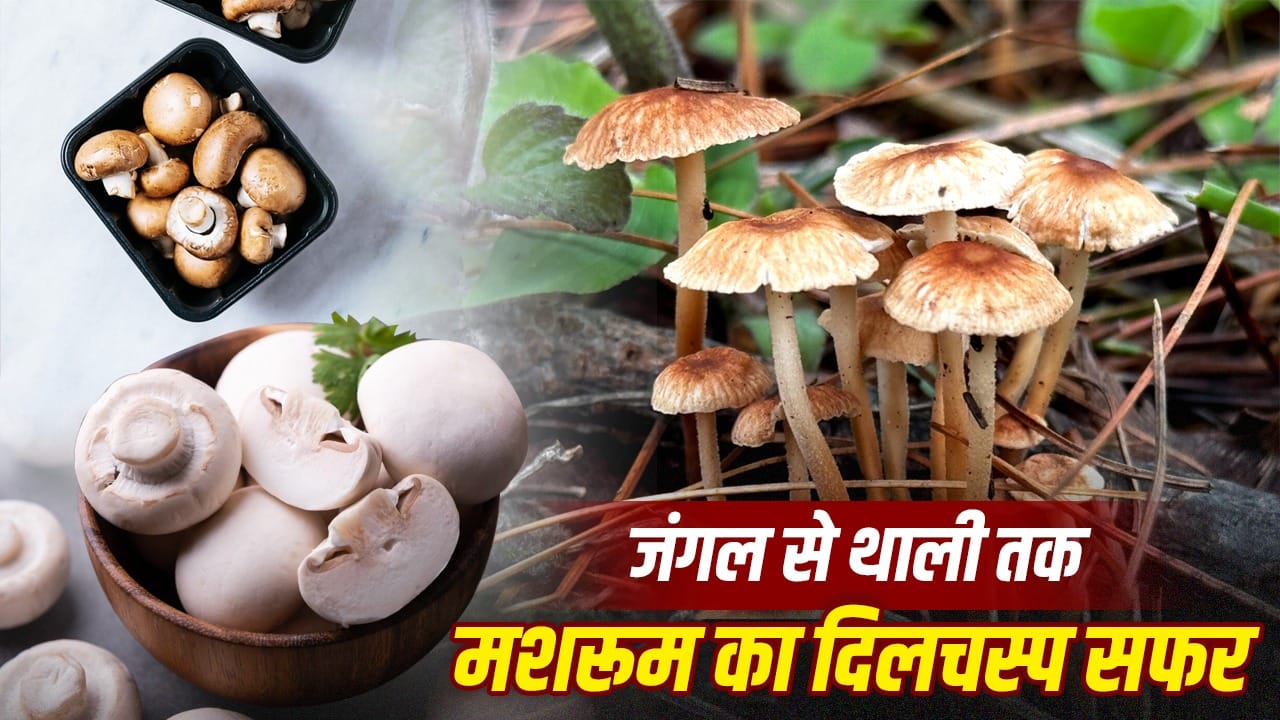
Mushrooms, known locally in India as kukurmuta or khumbi, have evolved from being ignored wild fungi to a beloved vegetable in kitchens nationwide. Once seen as a rainy season growth on farms or in the wild, mushrooms were dismissed as inedible or even poisonous. Today, they are carefully cultivated, packaged, and sold as popular vegetables enjoyed across homes and restaurants.
Understanding Kukurmuta and Mushrooms
Kukurmuta and mushroom refer to the same category of fungi but have distinct connotations. In Hindi, the term kukurmuta applies to certain species of fungi, some of which are poisonous and not fit for consumption. Mushrooms, as commonly known in English, represent edible fungi cultivated for food. It is important to avoid consuming wild kukurmuta as some can be harmful, unlike the cultivated varieties grown with care.
Edible mushrooms are farmed using specialized techniques ensuring consistency in type, quality, and quantity. This allows mushrooms to be a reliable vegetable option in daily diets, distinguishing them from their wild, unregulated counterparts.
Rising Popularity of Mushrooms as a Vegetable
In India, white button mushrooms dominate the market, but globally, diverse mushroom varieties have been collected and consumed over centuries. With advances in cultivation technology, mushroom farming spread extensively, particularly originating in Europe, with France notably contributing to commercial white mushroom production.
The Indian Council of Agricultural Research (ICAR) has conducted extensive research to improve mushroom production and diversify cultivable types. Besides white button mushrooms, oyster, milky, and paddy straw mushrooms are now regularly farmed in India, reflecting growing interest and capability.
One reason white mushrooms gained wide acceptance is their easy identification and adaptability across various recipes. Their mild flavor and texture blend well with spices, creams, tomatoes, and garlic, making them versatile for Indian-style gravies, Chinese dishes, and continental cuisines alike.
The growing vegetarian population in India also plays a role in mushroom’s popularity. Mushrooms offer flavorful and protein-rich alternatives in dishes like mushroom peas curry, mushroom tikka, and soups, catering well to vegetarian diets.
Restaurants and hotels have further boosted mushroom demand by incorporating them into pizzas, pastas, sandwiches, and burgers. The visibility and availability of mushroom dishes in eateries have made them popular among a broader audience than ever before, solidifying their place in contemporary Indian cuisine.

