

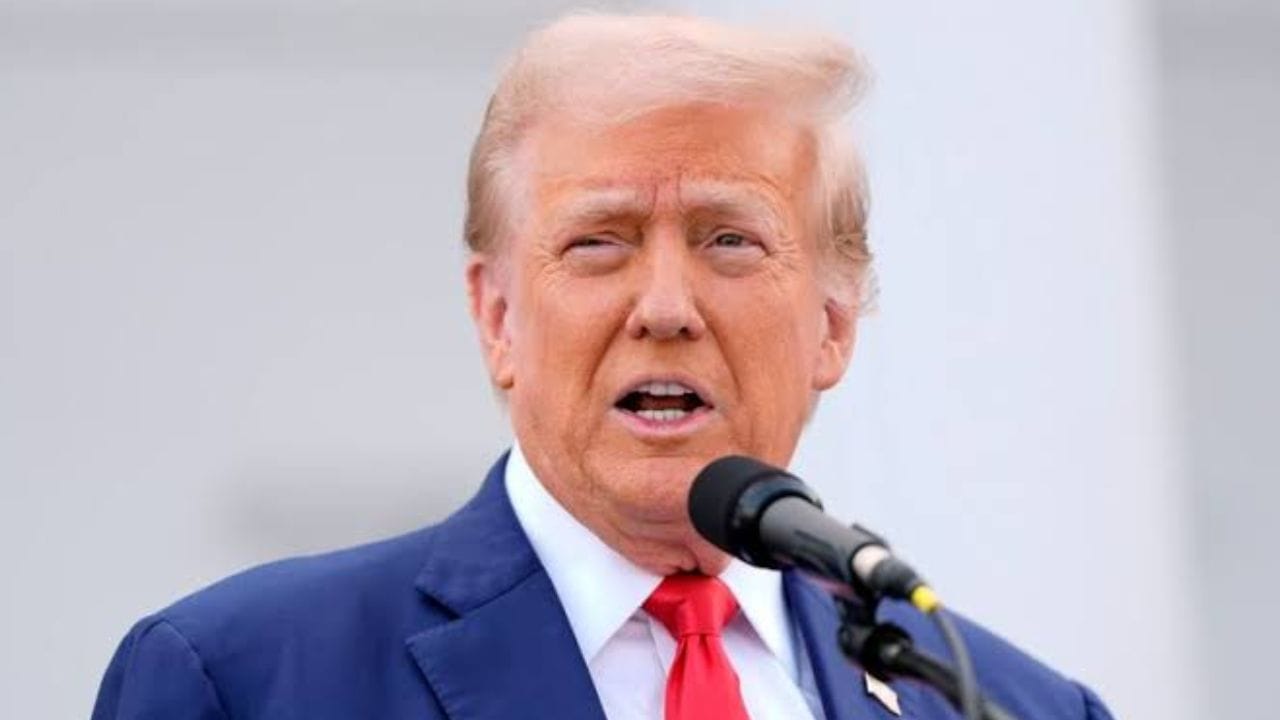
US Ambassador to India Sergio Gore has recently stirred speculation by suggesting that President Donald Trump might impose a 100% tariff on imports from India. Speaking at the Bloomberg New Economy Forum in Delhi on Thursday, Gore revealed that a decision from the White House could come within the next 10 days. However, no final determination has been made yet.
Trade Talks and Tariff Considerations
According to Gore, discussions regarding tariffs are ongoing between the US and India. He emphasized that current US restrictions are categorized into three groups and are not intended to target any one country specifically. India happens to fall into one of these categories alongside several other nations. The goal of these measures, he explained, is not punitive but aimed at ending ongoing conflicts and gradually reducing economic support.
The underlying context involves the US desire to pressure countries buying energy from Russia, particularly oil and gas, to limit funds that support Russia’s military actions in Ukraine. India purchases a significant portion of its crude oil from abroad and has often sought to buy discounted Russian oil to meet its energy needs cost-effectively. While India insists on securing energy at the best prices, Washington is pushing for sanctions targeting Russian energy buyers and might impose heavy tariffs on them.
Potential Impact and Stakes for India
If implemented, such tariffs could heavily affect India and other countries like China. The legislation being considered in the US could levy tariffs as high as 100% on countries importing energy from Russia. Gore highlighted Trump faces a choice: whether to apply these tariffs strictly or use the threat as leverage in diplomatic negotiations, given that showing force can sometimes be more effective than acting.
India is a significant market for US goods, with bilateral trade totaling approximately $239.6 billion. In 2025, the US imported about $103.8 billion worth of goods from India. Increasing tariffs could raise prices for American consumers and reduce orders for Indian exporters, impacting industries such as textiles, footwear, leather, carpets, gems, and seafood. Millions of people in India rely on these sectors for their livelihoods.
For example, if an Indian garment exporter receives an order for 10,000 shirts monthly from the US, a 100% tariff hike might prompt American buyers to seek cheaper alternatives elsewhere. This could lead to reduced production, halted hiring, or even layoffs in India. Thus, any tariff decision will not only affect trade figures but could have real consequences for workers and businesses connected to US imports.
The effects on ordinary people may vary. A decline in exports could reduce jobs and income, while increased geopolitical tensions might cause foreign investors to withdraw funds, putting downward pressure on the Indian rupee. A weaker rupee would raise the cost of imported raw materials like crude oil and electronic components, which could translate into higher prices for some products domestically.
To illustrate, if a $100 Indian-made shirt faces a 100% tariff in the US, its price would double to $200 for American consumers. This pricing shift could reduce demand for Indian goods abroad, leading to fewer factory orders and potential job losses back home. Consequently, US tariff decisions made under Trump’s administration might have far-reaching effects, even impacting individuals with no direct trade connection.
Lessons from Past Tariff Actions and Next Steps
The US has previously increased tariffs on Indian products. In 2025, India faced an initial 25% tariff hike, which was later raised to a total of 50% on selected goods related to energy purchases from Russia. This situation led to significant declines in exports of marine products and precious stones by 33% and 54% respectively in August 2025. However, overall Indian exports were somewhat cushioned by other markets and product lines, though the challenges remained clear.
Trump views tariffs not only as taxes but as strategic leverage to influence trade partners like India to align with US policies, especially concerning Russia. However, tariffs could also increase costs for US businesses and consumers, creating internal trade-offs. Gore suggested there are three possible outcomes: Trump could impose the full 100% tariff, offer India partial exemptions, or both countries could negotiate a compromise. Trade talks between the US and India are ongoing, and the tariff threat could be a bargaining tool rather than a final weapon.
As the decision approaches, it will be critical to watch whether the US grants India any exemptions and how the two nations manage their trade relationship. The ultimate impact of such tariffs will depend on official White House decisions and subsequent regulations. In international politics, governments may wage major battles, but often ordinary citizens bear the financial burden of those conflicts.

