

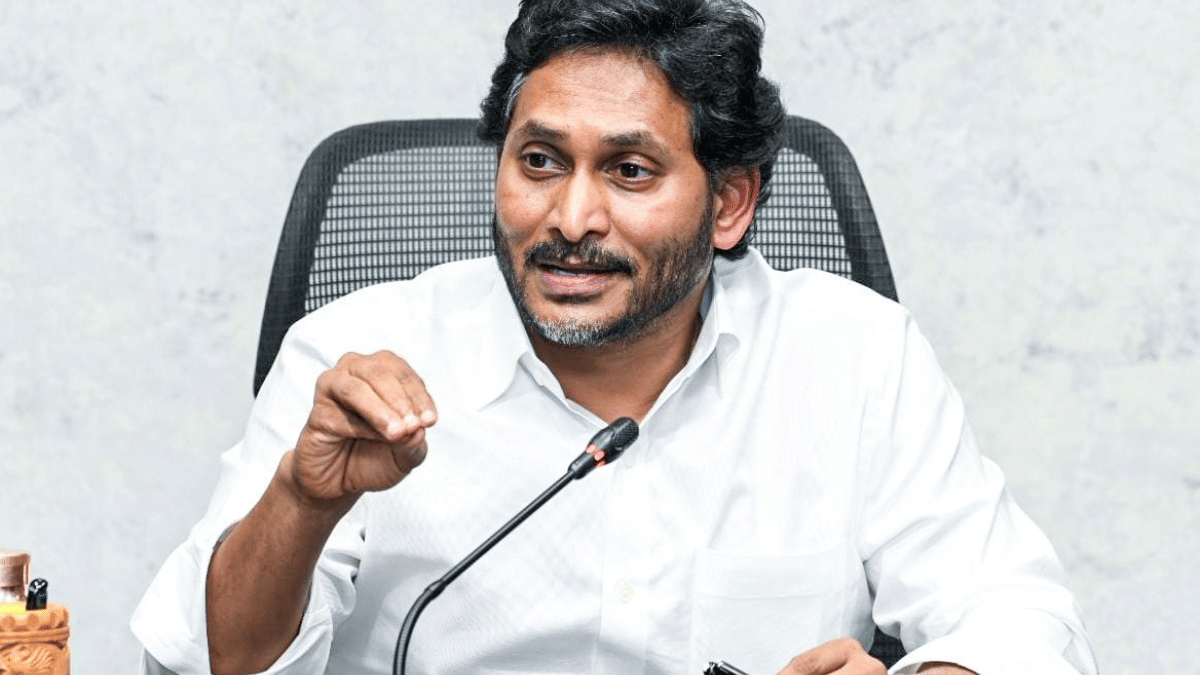
The Enforcement Directorate (ED) has urged the Telangana High Court to mandate former Andhra Pradesh Chief Minister Y.S. Jagan Mohan Reddy’s daily presence at a special court in Hyderabad for a decade-old case under investigation.
ED’s Petition for Daily Trial
In a writ petition filed on Saturday, the ED requested daily hearings at the special court and emphasized the importance of Jagan Reddy’s presence along with 73 other accused individuals to ensure a timely resolution. The agency highlighted the case’s nearly ten-year delay, noting that nine prosecution complaints filed under the Prevention of Money Laundering Act (PMLA), 2002, remain unresolved at the preliminary stage.
Fast-Tracking Economic Offence Trials
The ED aims to end procedural delays by asking the special court for CBI cases in Hyderabad to hold daily hearings and cancel routine exemptions related to personal appearances. The agency classified these economic offences as posing a critical threat to the nation’s economy and cited Article 21 of the Indian Constitution, which addresses personal liberty, in its plea for speedy trial.
Legal and Political Implications
The ED stated in its petition, “The proceedings have remained pending in Y.S. Jagan’s case for nearly 10 years,” and argued that regular daily trials would serve the interest of justice. Neither Y.S. Jagan Mohan Reddy, the companies involved, nor the YSR Congress Party have responded to this move. The development coincides with the party’s recent letter to the state election commissioner requesting voter reinstatement following a special revision exercise.
The removal of Jagan’s exemption from personal court appearance would significantly limit his ability to travel through Andhra Pradesh. This could affect the YSR Congress Party’s activities as they prepare for upcoming local body elections, with analysts suggesting that Jagan’s presence in Hyderabad might influence the party’s political performance.
Supreme Court Precedent Cited by ED
The ED publicized its writ petition No. 33845/2026 filed on September 23, 2026, via a press release on October 10, emphasizing the need for day-to-day trial proceedings and the personal appearance of all accused related to the PMLA prosecutions.
The investigation originated from a Central Bureau of Investigation (CBI) FIR directed by the Andhra Pradesh High Court, targeting Jagan Reddy and 73 others for alleged substantial investments into his and his family’s companies. These investments allegedly served as quid pro quo for favors extended by his late father, former Chief Minister Y.S. Rajasekhara Reddy, to various industrialists from 2004 to 2009.
Companies implicated include Aurobindo Pharma, Hetero Drugs, Indu Projects, Indu Tech Zone, Lepakshi Knowledge Hub, VANPIC Projects, Ramky Infra, India Cements, and Nimmagadda Prasad. These entities allegedly invested in Jagan-owned businesses like Bharati Cements, Jagati Publications (publisher of Sakshi newspaper), and Janai Infrastructure.
The ED filed nine prosecution complaints against the accused in the special CBI court at Nampally, Hyderabad between 2016 and 2021. While the court has taken cognizance, the ED notes slow progress, citing delays in discharge petition decisions due to transferring of presiding officers and other issues.
The agency referenced a 2013 Supreme Court observation on the seriousness of economic offences, stressing that such cases require a different approach due to their significant impact on the country’s financial health.