

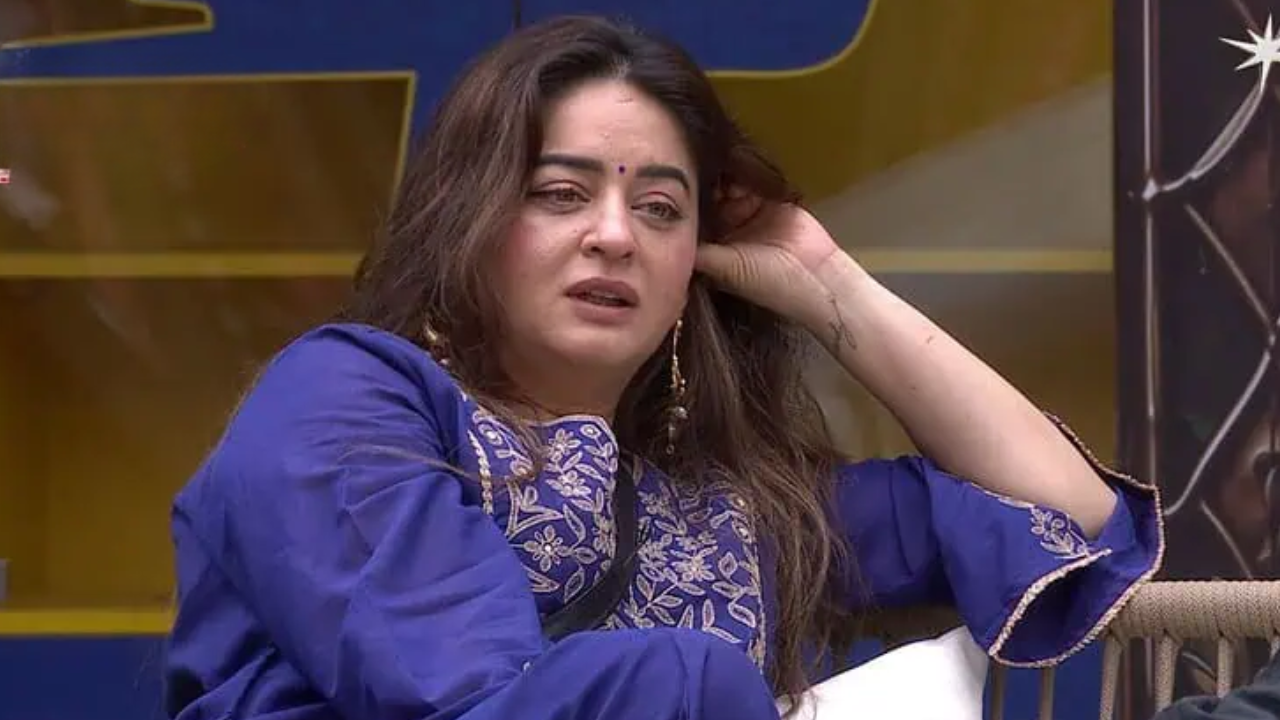
Mahhi Vij, a TV actor and contestant on Bigg Boss 20, has shared her thoughts on how parental reactions to childhood situations can impact a child’s confidence and independence. Drawing from her own upbringing, she highlighted the differences between her childhood experiences and how modern parents often respond.
Parental Reactions Shape Childhood Confidence
Mahhi Vij explained that her parents encouraged her to handle minor mishaps on her own rather than immediately protecting her. “My parents were very carefree. If we fell down, they would tell us to get up on our own,” she said. She contrasted this with today’s trend where parents quickly intervene, tending to children’s injuries and worries immediately. According to Mahhi, this kind of overprotection might make it harder for children to face challenges independently as adults.
Reflecting on Strict Childhood Discipline

Mahhi Vij also shared recollections of a strict childhood marked by physical punishments. She stated that she was beaten when she failed in mathematics and when her first school romance was discovered. She vividly recalled being popular among boys at school and a fight her boyfriend had with others, while she remained uninvolved, often sitting in the canteen eating samosas. She humorously imagined how her daughter might react to these stories in the future.
Building Independence While Meeting Children’s Needs
The discussion raised how parents can foster independence without neglecting children’s needs. Mahhi suggested parents allow children to assess minor situations and attempt to manage them with adult presence nearby. She emphasized that encouraging independence doesn’t mean ignoring pain or fear but balancing intervention appropriately.
Here are practical tips parents can use:
- Pause before intervening: Check if the child is safe and ask what they think should be done instead of immediately stepping in.
- Allow children to solve problems: Let them try handling issues like forgetting items or small disagreements before offering help.
- Separate mistakes from self-worth: Respond to failures with supportive questions and plans rather than punishment or anger.
Mahhi concluded that children need a supportive environment to try and learn, make age-appropriate mistakes, and feel secure that help is available when needed.

