

Croesus, the wealthy king of Lydia, learned a profound lesson about happiness and fortune from Solon, one of the Seven Sages of Athens. Despite Croesus’ riches, Solon convinced him that true happiness cannot be counted until a person’s life is complete.
Meeting of Croesus and Solon
Croesus was famous for his vast wealth, so much so that people used the phrase “as rich as Croesus.” When Solon, a dignified and wise sage, traveled to Lydia, Croesus welcomed him with luxury and showed him his treasures, expecting admiration.
To Croesus’ surprise, Solon was unimpressed. Croesus asked Solon, “Have you met someone more fortunate than me? Who is the happiest man in the world?”
Solon’s Answers on Happiness
Solon named Tellus, an Athenian who lived an honorable life: neither rich nor poor, had good children, saw his grandchildren, and died fighting for his country. Croesus then asked for the second happiest person, and Solon named a humble farmer loved by family and respected by friends.
When asked about the third happiest, Solon spoke of two brothers who cared for their mother until their deaths. Solon explained to Croesus that despite his immense wealth, many rich people die disgracefully, and the gods’ will is unknown. “You should count no one happy until they die,” Solon said.
The Tragedy of Croesus and the Wisdom Realized
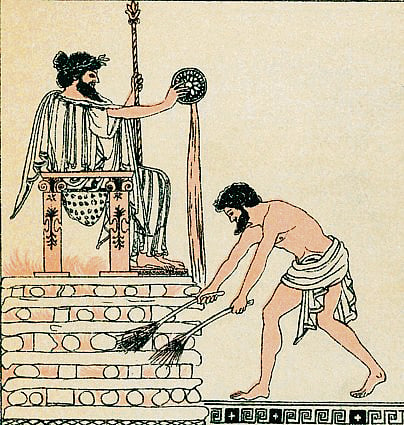
Croesus dismissed Solon’s words at first, but tragedy struck when his son died in a hunting accident. Soon after, Cyrus the Great of Persia attacked Lydia. Croesus was captured and condemned to death by fire.
As flames consumed him, Croesus remembered Solon’s wisdom and cried out his name. Curious, Cyrus stopped the burning and asked the meaning of the cries. After hearing the story Solon told, Cyrus pardoned Croesus and befriended him for life.

