

New Delhi, Delhi
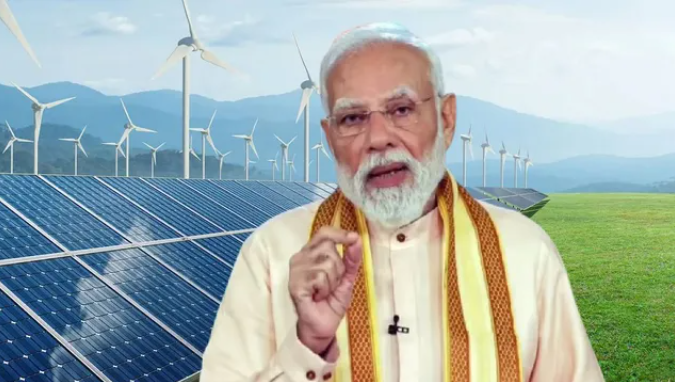
The Union Cabinet approved the Green Energy Corridor Phase-III scheme on Wednesday. Prime Minister Narendra Modi described the decision as a major step toward achieving the country’s target of 900 GW of non-fossil fuel-based energy capacity by 2035. He said the initiative would promote clean energy, strengthen India’s power grid and create new employment opportunities.
The Prime Minister said on social media that Green Energy Corridor Phase-III would develop the infrastructure required for the transmission and integration of up to 135 GW of renewable energy. The plan also includes the development of 50 GWh of battery energy storage capacity.
The scheme aims to efficiently connect electricity generated by renewable energy projects in states and Union Territories to the national grid and ensure its transmission. Battery energy storage systems are expected to play an important role in managing fluctuations in solar and wind power generation.
The Green Energy Corridor Phase-III is targeted for completion by FY 2032-33. The total estimated cost of the project is expected to exceed ₹1.86 lakh crore. Of this, around ₹1.36 lakh crore will be spent on developing intra-state transmission systems, while approximately ₹50,000 crore will be allocated for establishing a 50 GWh battery energy storage system.
The government has provided ₹54,082 crore in central financial assistance for the scheme. The battery storage system will help manage the intermittent availability of renewable energy, grid pressure and periods of peak electricity demand.
As of July 2026, India’s total installed power generation capacity had reached 552 GW, including 300.50 GW of non-fossil fuel-based capacity. The country’s installed solar power capacity had also reached 164.59 GW.
The government believes that the third phase of the Green Energy Corridor will further accelerate India’s transition toward clean energy while improving grid stability and supporting the integration of large-scale renewable power into the country’s electricity system.