

Kodagu and Hassan Grapple with Rising Human-Animal Conflicts

From the lush hills of Kodagu to the expansive farmlands of Hassan, human-animal encounters have surged alarmingly in recent years. This increase has resulted in tragic fatalities, widespread fear among local communities, and a call for immediate, effective solutions to an escalating crisis.
Elephants, gaurs, and big cats now frequently cross paths with residents who live in close proximity to forests and wildlife corridors. These encounters have put people’s lives and livelihoods at grave risk, revealing significant gaps in existing mitigation strategies and conservation efforts.
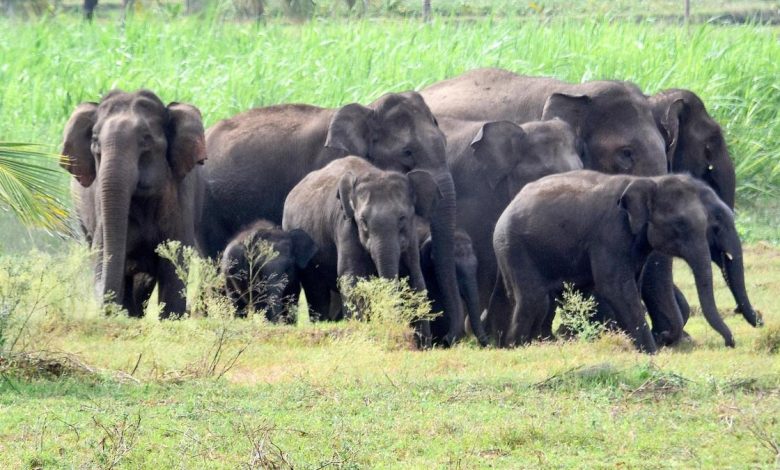
Local farmer Ramesh Kumar recounts the terror he faced when a herd of elephants trampled his crops last year. “We respect the forests and animals, but sometimes it feels like we are invisible to them. There’s no buffer now; the animals come straight into our homes and fields,” he shares. Stories like his are becoming distressingly common, with reports of human injuries and property damage climbing steadily.
Experts note that the increase in such incidents is linked to habitat loss, fragmented forest cover, and expanding agricultural activities encroaching into wildlife zones. Dr. Priya Natarajan, a wildlife biologist, explains, “The animals are not attacking out of cruelty; they are being pushed out of their natural habitats and forced into closer contact with humans. This underlines the urgent need for sustainable land-use planning and enhanced community awareness programs.”
Despite efforts by the Karnataka Forest Department to install early warning systems and construct barriers, these measures have not yet achieved comprehensive success. Residents argue that response times are slow and compensation for damages insufficient, causing frustration and mistrust.
To address this growing concern, local NGOs and community leaders have united to demand a multi-pronged approach that includes better habitat conservation, improved infrastructure to prevent animal intrusion, and transparent, prompt support for affected families. “We want coexistence, but it must be safe for both humans and wildlife,” stresses activist Meera Rao.
As climate change and developmental pressures continue to reshape the region’s ecological balance, Karnataka faces a critical juncture. How it responds to these challenges will determine not only the safety of its people but also the future of its rich biodiversity.
With lives at stake and livelihoods disrupted, it is evident that urgent, sustained action is imperative. Collaborative, science-backed solutions alongside community participation may hold the key to easing the human-animal conflict that currently casts a shadow over Kodagu’s hills and Hassan’s farmlands.